

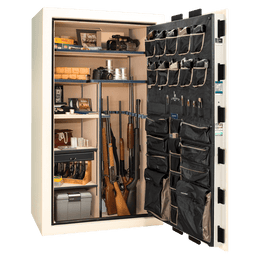
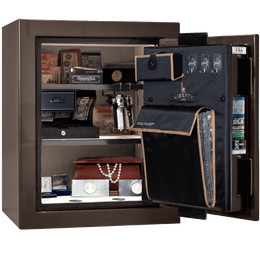
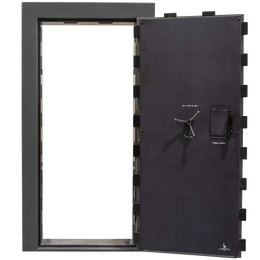
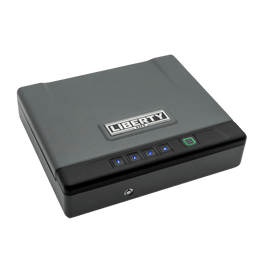

Reliable protection is built into the details you can verify
“Reliability” can feel like a vague marketing word—until you break it down into real, checkable elements: how the safe is constructed, how the lock behaves over years of use, how well the door seals and insulating layers handle heat exposure, and how consistently the manufacturer supports owners after delivery. If you’re researching Liberty Safe product reliability, this guide gives you a practical checklist you can use on mobile while comparing models, specs, and features.
When homeowners talk about “a reliable safe,” they’re usually describing a safe that:
- Works predictably every time you need access (no surprises from the lock or handle)
- Holds up to daily use (door alignment, boltwork travel, hinges, interior hardware)
- Maintains performance in harsh home conditions (garage heat swings, basement humidity)
- Is supported by a responsive service process when questions come up
The 5 pillars of safe reliability (a buyer’s framework)
1) Construction you can measure: steel, door design, and fit
Reliability starts with the “bones” of the safe—steel thickness (often listed by gauge), how the door is reinforced, and how precisely the door seats into the frame. A strong build matters not only for security, but also for everyday longevity: doors that stay aligned and boltwork that stays smooth tend to come from better engineering and tighter manufacturing tolerances.
2) Lock behavior over time: predictable access and built-in deterrents
A reliable safe lock isn’t just about opening—it’s also about how it responds to incorrect entries and daily wear. Many established electronic safe locks include a penalty lockout feature that temporarily disables entry after multiple wrong code attempts, helping deter random code-guessing. For example, Sargent & Greenleaf documentation describes penalty lockout behavior on certain electronic lock models.
Practical reliability tip: Ask (or look up) how the lock handles incorrect attempts, battery conditions, and user code management. Features like penalty lockout and clear operating steps can reduce “user error” moments that feel like reliability issues even when the safe is functioning as designed.
3) Fire-performance credibility: ratings, labels, and testing language
Fire protection is one of the most misunderstood reliability topics because there are multiple test methods and labels in the market. One way to keep your research grounded is to look for recognized standards and labels (and to learn what the label actually implies). UL’s Residential Security Container (RSC) work is often discussed alongside burglary resistance, and UL also maintains burglary-rating standards such as TL ratings used for higher-security applications. Liberty Safe also publishes educational guidance on reading UL ratings and testing terminology so consumers can interpret labels with more confidence.
4) Real-home environment reliability: humidity management and corrosion prevention
Even the best-built safe can feel “unreliable” if its contents don’t stay in good condition due to moisture. Homes across the United States can see big humidity swings—especially in basements, garages, and coastal regions. Many safe owners use a combination approach: a low-watt heater rod to gently warm and circulate air, plus desiccant to capture residual moisture. This “two-layer” approach is commonly recommended in humidity-control guidance for safe interiors.
If your safe has (or can be equipped with) interior power, adding lighting and accessories can also support daily usability—making it easier to keep items organized and reduce unnecessary door-open time. Consider purpose-built safe lighting kits for visibility when accessing the safe quickly.
5) Serviceability: support resources, parts, and owner documentation
Reliability isn’t only what happens on day one—it’s what happens in year five. Look for strong owner resources: user guides, lock tutorials, care and maintenance pages, and a clear path for help with access issues or replacement requests. A manufacturer that invests in these support systems tends to deliver a better long-term ownership experience.
Quick comparison table: what “reliability” looks like in the specs
| Reliability signal | What to look for | Why it matters |
|---|---|---|
| Body & door steel (gauge) | Clear steel specs; reinforced door construction | Strength, rigidity, long-term alignment |
| Boltwork feel | Smooth, consistent throw; solid handle action | Daily usability, less wear over time |
| Lock features | Penalty lockout; clear code management steps | Deters guessing; prevents confusion during access |
| Testing language & labels | Recognized standard references; consistent terminology | Makes specs comparable and verifiable |
| Interior environment readiness | Power/accessory options; room for humidity control | Protects stored items from moisture-related issues |
| Support & documentation | Owner resources, troubleshooting, replacement request process | Better long-term ownership experience |
Step-by-step: how to evaluate safe reliability in 10 minutes (mobile-friendly)
Step 1: Identify your “daily use” pattern
Are you opening the safe multiple times a week? Storing a mix of valuables and documents? Reliability priorities change with use frequency. Frequent access makes lock ergonomics, keypad visibility, and interior organization more important.
Step 2: Scan for construction specs you can compare
Write down the steel gauge, door construction highlights, and any reinforcement notes. If a product page is light on measurable details, it’s harder to judge reliability across models.
Step 3: Confirm the lock’s “wrong-code” behavior
Look for penalty lockout / penalty time details. This matters because a lock that intentionally pauses after several incorrect entries can feel “unresponsive” if you don’t know what it’s doing—when it’s actually protecting the safe.
Step 4: Plan for the environment (especially humidity)
Decide where the safe will live (upstairs closet vs. basement vs. garage). If the area runs humid, plan for a heater rod + desiccant approach, and consider monitoring with a small hygrometer so you’re not guessing.
Step 5: Check the brand’s support paths before you buy
Reliable ownership is easier when there’s a clear, documented way to get help with lock operation, code changes, care and maintenance, and ownership paperwork if needed.
Did you know? Fast facts that help you shop smarter
“Penalty time” can be a feature, not a flaw
Some electronic safe locks are designed to lock out temporarily after multiple incorrect attempts, helping deter rapid guessing and protect the contents.
Humidity control is “reliability” for what you store
Many owners treat humidity management as a standard part of safe ownership, especially in basements, garages, and coastal climates.
Independent labels make comparisons easier
If a safe carries clearly defined testing language and recognized labels, it’s easier to compare models across the market without guessing what a claim means.
United States buying reality: reliability includes delivery, placement, and power
Across the United States, many homeowners place safes in practical “out of the way” locations—closets, garages, basements, or home offices. That choice affects reliability in everyday terms:
- Basement installs: plan for humidity control and consider managing the room’s humidity so the safe isn’t fighting a losing battle
- Garage installs: expect bigger temperature swings; keep your interior protection plan consistent
- Closet installs: check clearance for door swing and ensure you have access to power if using lighting or dehumidifier accessories
Want help matching reliability features to your home setup?
If you’re comparing models and want a straight, practical recommendation—based on where the safe will be installed, how often you’ll access it, and which features matter most—Liberty Safe’s team can help.
Contact Liberty Safe
Tip: If you reach out, include where you plan to place the safe (closet/basement/garage), approximate space dimensions, and your preference for mechanical vs. electronic lock operation.
FAQ: Reliability-focused safe shopping
What’s the simplest way to judge “reliability” without being a safe expert?
Focus on measurable construction details (steel gauge and door design), lock behavior (including penalty lockout), clarity of testing/label language, and the brand’s owner support resources. Reliability is the combination of build + predictable operation + long-term serviceability.
Is an electronic lock less reliable than a mechanical lock?
Not automatically. Electronic locks often add convenience and features like penalty lockout. Mechanical locks are valued for simplicity. The most reliable choice is the one you’ll use confidently and correctly—paired with good support documentation and a sensible access routine.
Why does my lock pause after wrong entries?
Many electronic safe locks have a designed penalty lockout/penalty time feature after multiple incorrect attempts. It can prevent rapid guessing attempts and protect the safe. Checking the lock’s operating instructions helps you know exactly what to expect.
What’s the most common “reliability” issue that’s really an environment issue?
Moisture management. A safe in a humid area can expose stored items to unwanted humidity. A simple humidity-control plan (heater rod plus desiccant, and optionally a hygrometer) can make a huge difference.
What accessories improve day-to-day reliability (practically speaking)?
Interior lighting and organization accessories reduce fumbling and keep access quick. Humidity-control tools help protect what’s stored. If your safe supports interior power, choosing accessories designed for safe interiors can improve everyday usability.
Glossary (plain-English)
Penalty lockout / penalty time
A lock feature that temporarily disables code entry after several incorrect attempts, designed to deter random guessing.
Boltwork
The internal system of moving bolts that extend into the safe frame when locked and retract when unlocked.
Steel gauge
A way to describe steel thickness (lower gauge numbers are typically thicker). It’s one measurable input when comparing safe bodies and doors.
UL label / UL rating
A label indicating a product was evaluated against a defined UL standard. The key is understanding which UL standard the label references and what that test represents.
Desiccant
A moisture-absorbing material (often silica gel) used inside safes to help reduce humidity around stored contents.