


Providing Peace of Mind by Protecting Your Irreplaceable Paperwork
In every home, there's a collection of documents that tell the story of a life: birth certificates, passports, property deeds, and financial statements. Too often, these vital records are left vulnerable in a desk drawer or a simple filing cabinet. While digitizing records is a great backup, physical copies are often required and must be protected from theft, fire, and water damage. Securing these items is not just about organization; it's about safeguarding your family's identity, assets, and future.
Identifying Your Most Critical Documents
Before you can protect your documents, you need to know what to gather. These are the items that would be difficult, expensive, or impossible to replace. Consider creating a centralized and protected inventory.
Personal & Family Records
- Birth, death, and marriage certificates
- Social Security cards
- Passports and visas
- Driver's licenses and other IDs
- Adoption papers and custody agreements
- Military service records
- Immunization and medical records
Property & Financial Information
- Property deeds and vehicle titles
- Appraisals for valuable items
- Tax returns (past 7 years)
- Bank account and investment statements
- Stock and bond certificates
- List of credit card numbers and contacts
Legal & Estate Documents
- Wills and living trusts
- Powers of attorney
- Insurance policies (life, home, auto)
- Contracts and loan agreements
- A list of digital passwords and usernames
Common Storage Mistakes and Their Risks
Many well-intentioned homeowners rely on storage methods that offer a false sense of security. A standard filing cabinet can be easily forced open, and a shoebox hidden in a closet offers zero protection against environmental threats. Even bank safe deposit boxes have limitations, including restricted access during non-business hours and a lack of protection from flooding in certain locations. For true security and accessibility, a dedicated home safe is the superior solution.
The Definitive Solution: A Fire-Resistant Home Safe
Investing in a high-quality home safe gives you complete control and 24/7 access to your essential documents while providing robust protection against unforeseen events.
Unmatched Fire Protection
Paper chars at 405°F and ignites at 451°F. A typical house fire can reach temperatures of 1,200°F or more in just minutes. It is crucial to choose a safe that is independently certified to keep its internal temperature below 350°F during a fire. This ensures your documents remain intact and legible. When evaluating options, look for proven fire protection you can trust to safeguard your irreplaceable paperwork.
Robust Security Against Theft
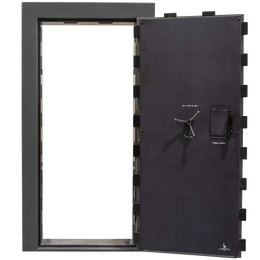
A quality safe is constructed from thick-gauge steel and features heavy-duty locking bolts and a hardened steel plate to protect the lock from drilling. These features are specifically designed to deter burglars who rely on speed. Bolting the safe to the floor adds another layer of security, preventing thieves from simply carrying it away. This level of protection makes all the difference when securing your family's most sensitive information.
Choosing the Right Safe for Your Needs
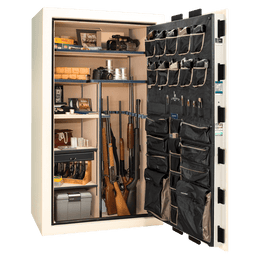
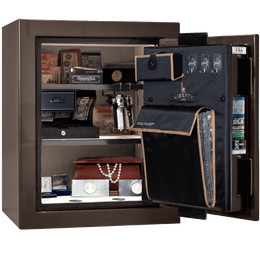
Consider the volume of your documents and any other valuables you wish to protect, such as jewelry, electronics, or firearms. It's wise to choose a safe that is slightly larger than your current needs to allow for future acquisitions. For those with space constraints, specialized closet safes are designed to fit discreetly within your home, offering excellent security without requiring a large footprint.
Did You Know?
According to the National Fire Protection Association (NFPA), a fire department in the United States responds to a fire every 23 seconds. Having your vital documents stored in a certified fire-resistant safe can mean the difference between a minor inconvenience and a catastrophic loss.
A Proud American Tradition of Security
For homeowners across the United States, protecting one's family and assets is a core value. Choosing a safe that is made in the USA ensures you are investing in superior craftsmanship, quality materials, and American jobs. Brands that manufacture on home soil adhere to strict quality control standards, resulting in a more reliable and durable product. When you purchase an American-made safe, you're not just buying a product; you're investing in a legacy of security and dependability for your family.
Ready to Protect What Matters Most?
Finding the perfect safe for your documents and valuables can feel overwhelming. Let us help you find the ideal security solution tailored to your specific needs and space.
Take the Safe QuizFrequently Asked Questions
What is a good fire rating for a document safe?
Look for a safe with at least a 60-minute fire rating at 1200°F. This ensures the safe's interior remains below 350°F, the critical temperature for paper, for an extended period during a typical house fire. Always check for independent certification from testing labs like UL or Intertek.
Should I also digitize my documents?
Absolutely. Creating digital copies and storing them on an encrypted, cloud-based service or a secure external hard drive provides an excellent secondary backup. However, digital copies are not always legally accepted, so protecting the original physical documents in a safe remains essential.
Are there any documents I should NOT keep in a home safe?
In some jurisdictions, the original copy of a will must be filed with a probate court or a lawyer's office to be considered legally valid. Check your local state laws. It’s also wise to give a trusted family member or your estate executor access to, or information about, your safe.
Where is the best place to install a home safe for document protection?
Ideally, install your safe in an area that is structurally sound and less likely to be affected by fire or flood, such as a basement on a concrete slab or a ground-floor closet. Bolting the safe to the floor is highly recommended to prevent theft of the entire unit.