

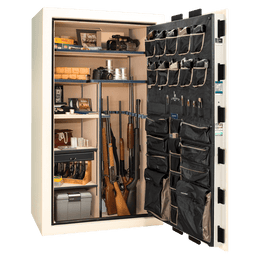
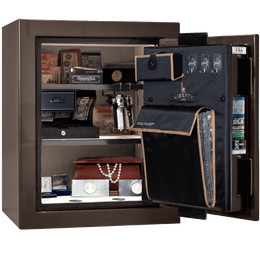
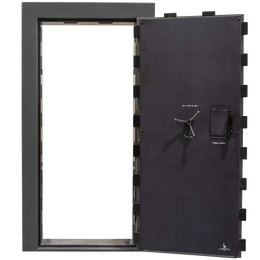
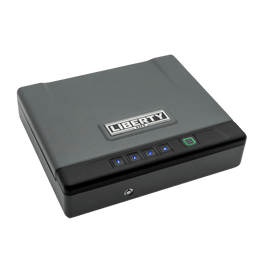

Spring organization that protects what matters most (not just what looks tidy)
Spring is the season when people finally have the energy to sort drawers, purge closets, and “put things where they belong.” The problem: most homes don’t have a clear system for valuables—important documents, family heirlooms, high-use essentials, and items you’d hate to replace. A good organization plan does two jobs at once: it makes items easy to find, and it adds meaningful protection against common household risks like fire and theft. The safest organization plan is the one you’ll still follow six months from now.
Why a “safe-first” spring organization plan makes sense
Most people organize based on convenience (closest drawer, easiest shelf, quickest closet). A safe-first plan starts with risk and recovery: what would be hardest to replace, most expensive, or most stressful to lose access to?
Fire risk is a major reason to take document and heirloom storage seriously. The U.S. Fire Administration’s national estimates show cooking was the leading cause of residential building fires in 2023 (167,800), followed by heating (27,900) and electrical malfunctions (23,700). (usfa.fema.gov)
That doesn’t mean you should worry constantly—it means spring is a smart time to put a calm, repeatable system in place.
The 4-zone method: organize valuables by how you’ll use them
A single “valuables box” turns into a junk drawer with better intentions. Instead, sort items into four zones. This keeps your safe organized and your day-to-day life smoother.
Zone 1: “Need it this week”
Passports (if traveling soon), cash you keep on hand, a primary jewelry piece you wear often, a small camera, spare car key/fob, etc. This zone should be easy to reach and easy to see—organization beats over-complication here.
Zone 2: “Need it in a hurry”
Items you might need quickly under stress: copies of IDs, key insurance info, emergency contacts, and a concise “home inventory” summary (photos + list). FEMA and the Red Cross commonly recommend securely storing important documents and keeping copies (including digital backups). (apnews.com)
Zone 3: “Hard to replace”
Birth certificates, marriage documents, titles, irreplaceable photos, family letters, heirlooms, and collectible items. These belong in the most protected part of your storage plan, inside clearly labeled folders or containers.
Zone 4: “Rarely touched, still important”
Extra keys you don’t use, older records you’re keeping, warranties, and archived electronics. This is where you can use deeper shelves and less convenient storage—just keep it indexed.
A simple step-by-step plan (60–90 minutes) to organize valuables for spring
Goal: reduce “where is it?” stress, improve day-to-day access, and add protection—without creating a complicated system that gets abandoned.
Step 1: Do a fast “valuables sweep”
Walk your home with a tote or box and gather items that clearly belong in a protected storage plan: important papers, jewelry you don’t wear daily, keepsakes, and small high-value items. Don’t sort yet—just gather.
Step 2: Make three piles on a table
Keep & store (belongs in your safe-first system)
Keep & use (belongs somewhere convenient outside the safe)
Digitize / archive (scan, photograph, or store deeper)
Step 3: Choose containers that prevent “paper drift”
Use clearly labeled folders (e.g., “Home,” “Vehicles,” “Identity,” “Insurance,” “Receipts/Serial Numbers”). For heirlooms, use soft pouches or small boxes so items don’t scratch each other. The goal is to create “slots,” not stacks.
Step 4: Improve visibility inside the safe
Many organization systems fail because you can’t see what you own. Adding interior lighting makes the safe easier to use—especially on a mobile-first lifestyle where you want quick access without turning on room lights.
Consider an LED kit designed for safe interiors, such as Liberty Safe’s Brightview Safe Light Kit or the Clearview LED Wand Light Kit (motion sensor) for quick visibility when you open the door.
Step 5: Create a “grab list” and store it where you’ll remember
Print a one-page index of what’s inside (folder names + where they sit). Keep a copy in the safe and a copy somewhere else secure. If you’re building digital backups, store them in a protected, password-protected format on a drive you can secure appropriately. (apnews.com)
Step 6: Make maintenance easy (the “10-minute monthly reset”)
Once a month: return loose papers to the correct folder, re-home items that migrated to nightstands or kitchen counters, and confirm you can find the one item you’d need quickly. Organization works when it’s routine, not heroic.
Quick comparison table: where should valuables go?
| Item Type | Best “Home” | Why | Organization Tip |
|---|---|---|---|
| Vital documents | Safe (Zone 2–3) | Hard to replace; needed for recovery tasks | Use labeled folders + an index sheet |
| Jewelry & heirlooms | Safe (Zone 1–3) | High value; sentimental value | Small pouches/boxes so pieces don’t tangle |
| Device backups / drives | Safe (Zone 2–4) | Helps with recovery and continuity | Label by date; refresh quarterly |
| Everyday items (wallet, keys) | Outside the safe | You need friction-free habits | Create a consistent “landing zone” near entry |
Tip: When comparing safe security ratings, look for recognized performance standards such as UL Residential Security Container (RSC) testing, which evaluates resistance to forced entry attempts using common hand tools for a net working time (often cited as 5 minutes for RSC). (usasafeandvault.com)
Did you know? Quick facts that shape smarter storage
Cooking is consistently the leading cause of residential fires in U.S. national estimates (2023). (usfa.fema.gov)
Electrical malfunctions are a meaningful share of home structure fires and can be associated with high property damage—another reason to protect critical records and valuables with a planned storage system. (esfi.org)
Keeping photos of your home and valuables plus secure copies of key documents can speed up recovery tasks after disruptive events. (apnews.com)
Local angle: a U.S.-wide checklist that fits any home style
Across the United States, spring brings a familiar rhythm: more travel, more outdoor time, and more home projects. That mix can also mean valuables get scattered—moved for remodeling, shifted during cleaning, or tucked away “temporarily.”
A practical U.S.-wide approach is to keep one consistent “protected core” (your safe-first Zones 2–3), plus a small “weekly access” area (Zone 1). If you ever move homes, change jobs, or expand what you’re storing, your system scales without having to reinvent it.
If you’re still deciding what size or type of safe best fits your space and goals, Liberty Safe’s Gun Safe Quiz can help narrow options based on what you want to protect and how you plan to use it.
Want help choosing a setup that stays organized?
Whether you’re organizing documents, heirlooms, or everyday valuables, the right safe setup and interior organization can make access easy while keeping protection front and center.
FAQ: Organizing home valuables for spring
What should go in a home safe first?
Start with items that are hard to replace or would be stressful to regain access to: vital records, key property documents, irreplaceable keepsakes, and a simple inventory (photos + list). Then add small valuables that aren’t used daily.
How do I keep my safe from turning into a clutter box?
Use the 4-zone method and give every category a “slot” (labeled folder, pouch, or bin). Add a one-page index so you can find items quickly without shuffling stacks.
Is interior lighting worth it for organizing valuables?
Yes—visibility is a major factor in whether you’ll keep using your system. If you can see labels and contents quickly, you’re more likely to put items back in the right place. Motion-sensor lighting can be especially convenient.
How often should I update my documents and inventory?
A monthly 10-minute reset keeps paper drift under control. Do a deeper refresh after major life changes (move, marriage, insurance updates, new vehicle, etc.), and keep photos/inventory reasonably current. (apnews.com)
What does “UL RSC” mean when I’m comparing safes?
UL RSC stands for Residential Security Container. It’s a performance rating based on standardized testing intended to evaluate resistance to forced entry attempts using common hand tools for a defined net working time. (usasafeandvault.com)
Glossary (quick, plain-English)
Home inventory
A record of what you own (photos, serial numbers, and basic descriptions) kept so you can identify and replace items more easily after loss or damage.
Net working time
A testing term that refers to the time attackers are actively working with tools during a standardized security test (not counting breaks or tool changes).
UL RSC (Residential Security Container)
A UL classification for certain residential security products based on standardized forced-entry testing with common tools for a specified net working time. (usasafeandvault.com)
Related reading and tools: Gun Safe Use and Care and Customer Support.