


Your Guide to a Safer, More Secure Home
Moving into a new home is a monumental achievement. It represents a new chapter, a space to create memories, and a significant investment in your future. With this investment comes the responsibility of protecting it, your family, and your most cherished possessions. Creating a comprehensive security plan from the start provides lasting peace of mind. This checklist offers a layered approach to securing your new property, helping you build a safe and protected environment from day one.
Start from the Outside-In: Your First Line of Defense
A secure home begins with its perimeter. Deterring potential threats before they reach your doorstep is a critical first step. A well-maintained and visible exterior suggests that the property is actively monitored and cared for, making it a less attractive target.
- Smart Landscaping: Keep shrubs and trees trimmed, especially around windows and doors. This eliminates potential hiding spots and ensures a clear line of sight from the street and from within your home.
- Effective Exterior Lighting: Install motion-activated lights around your property, focusing on entry points like the front door, back door, garage, and ground-floor windows. A well-lit area is a powerful deterrent.
- Secure Gates and Fencing: If your property has a fence, ensure it's in good repair. All gates should have sturdy locks, preventing easy access to your yard and the more private areas of your home.
Fortify Your Entry Points: Doors and Windows
The most common way intruders gain access is through doors and windows. Inspecting and reinforcing these vulnerabilities is a non-negotiable part of your security plan. Standard hardware provided with new homes may not offer the level of protection you need.
- Upgrade Your Locks: Install ANSI Grade 1 deadbolts on all exterior doors. Change the locks as soon as you move in to ensure no previous owners or their acquaintances have a key.
- Reinforce Door Frames: A strong lock is only as good as the frame holding it. Reinforce door jambs with heavy-duty strike plates and longer screws that anchor into the wall studs.
- Secure Sliding Doors and Windows: These are often weak points. Use secondary locking devices, such as security bars or pins, for sliding doors. Ensure all window locks are functional and consider adding aftermarket locks for extra security.
The Core of Your Plan: Protecting What Matters Most
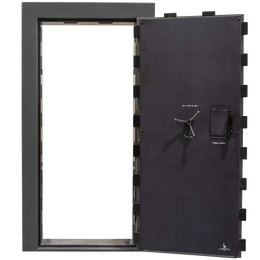
While perimeter security and reinforced entry points are essential for keeping threats out, it's equally important to protect your irreplaceable valuables inside. Important documents, firearms, family heirlooms, and digital data backups need an additional, specialized layer of security. This is where a high-quality home safe becomes the centerpiece of your strategy.
A robust safe provides a dedicated sanctuary for items that are either impossible or heartbreaking to replace. It offers protection not just from burglary, but also from unforeseen events like fires. When selecting a safe, consider the Fire Protection You Can Trust, which is determined by how long it can withstand extreme temperatures while keeping the internal temperature low enough to protect paper and other sensitive items.
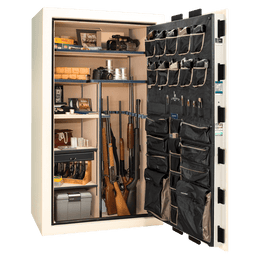
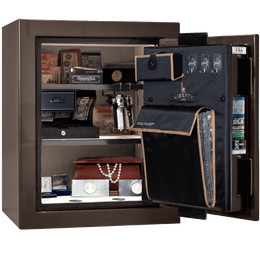
Whether you need a discreet closet safe for documents and jewelry or a larger model like the Colonial Series Gun Safe for firearms and larger collections, investing in one of the best home safes made in America provides unparalleled security. This final layer ensures that even in a worst-case scenario, your most important possessions remain secure.
Establish Secure Habits and Routines
Technology and hardware are critical, but human behavior plays an enormous role in home security. Developing secure habits as a household ensures that your security systems are always being used to their full potential.
- Be Mindful Online: Avoid posting real-time vacation updates or photos of expensive new purchases on social media. This information can signal that your home is empty or contains high-value targets.
- Develop an Emergency Plan: Create and practice a fire escape plan with your family. Ensure everyone knows at least two ways out of every room and has a designated meeting spot outside.
- Know Your Community: Get to know your neighbors. A connected community is a safer one, as neighbors are more likely to notice and report unusual activity.
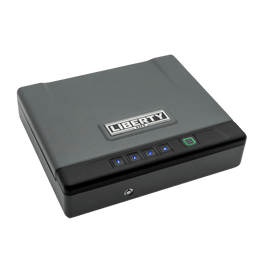
- Practice Safe Maintenance: Proper gun safe use and care is essential for long-term reliability. Regularly check batteries in electronic locks and follow manufacturer guidelines for maintenance to ensure your safe is always ready to protect.
Ready to Secure What Matters Most?
Your new home is your sanctuary. Taking these proactive steps ensures it stays that way. If you're ready to add the ultimate layer of protection with an American-made safe, our experts are here to help you find the perfect solution for your needs.
Contact Our Security ExpertsFrequently Asked Questions
1. Where is the best place to install a safe in a new home?
For optimal security, choose a location that is structurally sound, out of plain sight, and difficult for thieves to access with tools. A corner in a closet, bolted to the floor and against a wall, is a popular choice. Avoid areas with high humidity like a basement unless you use a dehumidifier.
2. What is more important in a safe: fire rating or security level?
Both are crucial, and the priority depends on your primary concern. For irreplaceable documents and digital media, a high fire rating is essential. For firearms or high-value items, security features like steel thickness and locking bolt coverage are paramount. The best safes offer an excellent balance of both.
3. How do I choose the right size safe?
Consider what you need to protect now and what you might acquire in the future. It's a common regret for owners to buy a safe that's too small. Always buy a size larger than you think you need to accommodate future valuables and allow for organized storage.
4. Should I bolt my safe to the floor?
Absolutely. Bolting your safe to a solid surface like a concrete slab or floor joists is one of the most important steps. It prevents thieves from being able to tip the safe over to gain leverage on the door or from removing it from your home to open it elsewhere.
5. Are electronic locks better than manual dial locks?
Both lock types offer excellent security. Electronic locks provide quick, easy access, especially in an emergency, and allow you to change the combination yourself. Manual dial locks are renowned for their durability and reliability, as they don't require batteries or power.
Glossary of Security Terms
Fire Rating
This rating indicates how long a safe can withstand a fire of a specific temperature while keeping its internal temperature below a certain point (typically 350°F, the charring point of paper). For example, a rating of "60 minutes at 1200°F" means the interior will stay below 350°F for at least an hour during a 1200°F fire.
Gauge (Steel)
A measurement of steel thickness. In the context of safes, a lower gauge number means thicker, stronger steel. For example, 10-gauge steel is thicker and offers more protection than 14-gauge steel.
UL Rating (Underwriters Laboratories)
A certification from a third-party testing agency that verifies a safe's security level. A UL Residential Security Container (RSC) rating, for instance, means the safe has successfully withstood rigorous professional testing designed to simulate a burglary attempt.