
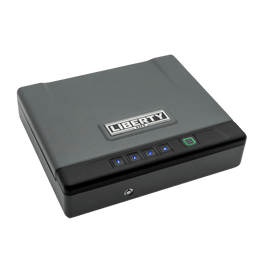

Making the Right Choice for Your Peace of Mind
Deciding how to protect your most important documents, heirlooms, and valuables is a significant responsibility. For generations, the primary options have been a personal safe installed in your home or a safe deposit box rented at a financial institution. While both offer a higher level of security than a desk drawer, they serve fundamentally different purposes and come with distinct advantages and disadvantages. Understanding these differences is the key to choosing the solution that best fits your lifestyle, security needs, and the specific items you intend to protect.
The choice boils down to a balance of accessibility, control, cost, and the specific type of protection you need. This guide will break down the comparison to help you make an informed decision for safeguarding what matters most to you and your family.
At a Glance: Home Safes vs. Safe Deposit Boxes
| Feature | Home Safe | Bank Safe Deposit Box |
|---|---|---|
| Accessibility | 24/7, immediate access in your home. | Limited to bank operating hours. |
| Control & Privacy | Complete control over access; contents are private. | Bank has co-access; potential for legal freezes. |
| Cost | One-time purchase cost. | Annual or recurring rental fee. |
| Insurance | Typically covered under homeowner's policy (limits apply). | Contents are NOT insured by the FDIC or the bank. |
| Fire Protection | Certified fire-rated models are available for trusted protection. | Offers little to no certified fire protection for contents. |
| Permitted Items | Firearms, cash, ammunition, and other personal items. | Strict prohibitions on firearms, cash, and hazardous materials. |
The Unmatched Convenience and Control of a Home Safe
The primary advantage of owning a high-quality home safe is immediate and unrestricted access. Your valuables are available to you 24 hours a day, 7 days a week, without needing an appointment or waiting for business hours. This is crucial for items you might need in an emergency, such as passports, medical documents, emergency cash, or a firearm for personal protection.
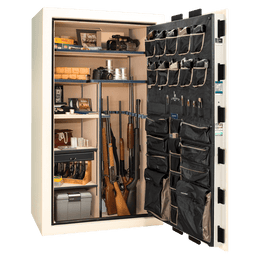
With a home safe, you have absolute control. You decide who has the combination and where the safe is located. For responsible gun owners, a secure, American-made safe is not just a choice—it's a necessity for keeping firearms away from unauthorized individuals. Safes like those in the Colonial Series offer a perfect balance of security, fire protection, and style, making them an excellent choice for any home. Moreover, proper installation and care, including bolting the safe to the floor, dramatically increase its security against theft.
Superior Fire and Environmental Protection
A common misconception is that bank vaults are impervious to disasters. While the vault itself is robust, the contents of individual boxes may have little specific protection from fire or water damage from firefighting efforts. In contrast, you can select a home safe with a certified fire rating tailored to your needs. A quality safe offers fire protection you can trust, tested to withstand specific temperatures for a set duration, which is a level of assurance a safe deposit box simply cannot provide.
Understanding the Limitations of Bank Safe Deposit Boxes
While bank safe deposit boxes are housed within a secure vault, they come with significant limitations. The most critical one that many people overlook is that the contents are not insured by the bank or the FDIC. If a fire, flood, or even theft were to occur, you would have to rely on your personal insurance, which may have limited coverage for items stored off-premises.
Access is another major drawback. You are restricted to the bank's schedule, making it impossible to retrieve items during evenings, weekends, or holidays. Furthermore, access to a box can be legally frozen upon the owner's death, potentially causing long delays for heirs trying to retrieve important documents like an original will. Because of these access issues, it is widely recommended not to store items like original wills, powers of attorney, or passports you might need urgently.
What Should You Store and Where?
The best strategy often involves using a home safe for items that require accessibility and direct control, while reserving a bank box for deep storage of non-essential items.
Ideal for Your Home Safe:
- Firearms, ammunition, and related accessories. (Consider an ammo cabinet for organization).
- Frequently worn jewelry and watches.
- Emergency cash and important keys.
- Passports, social security cards, and birth certificates.
- Original copies of wills, trusts, and powers of attorney.
- Hard drives and digital media backups.
- Any valuable or document you may need at a moment's notice.
Consider for a Safe Deposit Box:
- Rare collectibles you rarely view (e.g., stamps, coins).
- Property deeds to secondary homes or land.
- Original stock certificates or savings bonds (if not digital).
- Photos or negatives that are digitally backed up elsewhere.
- Heirlooms of high sentimental value but low practical use.
A Foundational Part of Your Home Security
For homeowners across the United States, taking personal responsibility for security is paramount. A high-quality safe is not just a purchase; it's an investment in peace of mind. By choosing one of America's #1 gun safes, fire safes and home safes, you are taking a crucial step in protecting your family's legacy, valuables, and safety. You gain control, accessibility, and certified protection that an off-site box simply cannot match.
Take Control of Your Security Today
Your most valuable and important possessions deserve protection that is both secure and accessible. Invest in the peace of mind that comes with a Liberty Safe in your home.
Find Your Perfect SafeFrequently Asked Questions (FAQ)
Are the contents of a bank safe deposit box insured?
No. This is a critical point. Neither the bank nor the FDIC insures the contents of your safe deposit box against loss from theft, fire, flood, or any other disaster. You would need to secure a separate insurance policy for any items stored there.
Can I store a firearm in a bank safe deposit box?
No. Financial institutions strictly prohibit the storage of firearms, ammunition, and other hazardous materials in their safe deposit boxes. A home gun safe is the proper and secure way to store firearms.
What kind of fire rating should I look for in a home safe?
The ideal fire rating depends on your location and specific needs. A good starting point is a safe rated to last at least 60 to 90 minutes at 1200°F. In areas with slower fire department response times or in larger homes with more combustible material, a higher rating provides greater peace of mind.
How do I choose the right size home safe?
It's wise to choose a safe that is larger than you think you currently need. Your collection of valuables and important documents will likely grow over time. Consider your current storage needs and plan for at least 25-50% more space for future acquisitions. To find the perfect fit for your needs, you can also take our gun safe quiz.