


Beyond Cash and Valuables: Your Paperwork is Priceless
When you think of a home safe, your mind might jump to securing jewelry, cash, or firearms. While these are vital, some of your most valuable and irreplaceable possessions are made of paper. Documents like birth certificates, passports, property deeds, and wills are the foundational paperwork of your life. Losing them to theft, fire, or water damage can create immense stress and complicated, lengthy replacement processes. A high-quality home safe isn’t just a security measure; it’s an essential tool for preserving your family’s legacy and ensuring stability in a crisis.
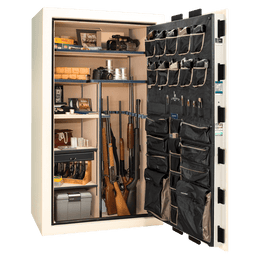
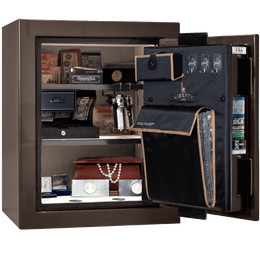
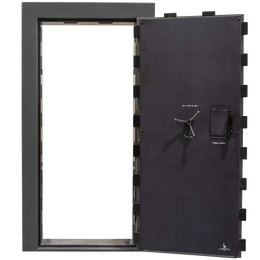
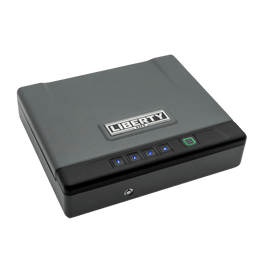
Investing in one of the robust Liberty home safes for protecting documents provides the ultimate peace of mind, safeguarding these critical papers against unforeseen disasters and giving you organized, immediate access when you need them most.
The Critical Documents That Demand Protection
Certain documents are difficult, if not impossible, to replace. Storing them in a simple filing cabinet or desk drawer leaves them vulnerable. Consider securing the following items in a certified fire-resistant safe:
Personal & Identity Documents
- Birth Certificates, Marriage & Divorce Certificates
- Social Security Cards
- Passports and Visas
- Copies of Driver's Licenses and IDs
Property & Financial Records
- Property Deeds and Vehicle Titles
- Insurance Policies (Home, Auto, Life)
- Stock and Bond Certificates
- Tax Records and Financial Statements
Legal & Estate Planning
- Wills, Trusts, and Power of Attorney Documents
- Digital Backups (Hard drives, USBs)
- Emergency Cash and Spare Keys
Understanding the Threats: More Than Just Burglary
While theft is a major concern, fire and water pose a far more common and destructive threat to your documents. A standard metal filing cabinet can heat up like an oven in a fire, scorching its contents in minutes. Understanding these risks is the first step toward proper protection.
The Reality of a House Fire
The average house fire can reach temperatures of 1,200°F in just ten minutes, a process known as flashover. Paper chars at around 387°F and ignites at 451°F. A safe without a proper fire rating offers little to no protection. Liberty Safes are engineered with multiple layers of fireboard and Palusol® heat-activated door seals that expand to block out heat and smoke, ensuring the internal temperature remains below the critical threshold for paper. This level of fire protection you can trust is not a luxury—it's a necessity.
Water Damage: The Silent Destroyer
Water damage can come from multiple sources, including firefighting efforts, burst pipes, or flooding. The same seals that protect against fire in a Liberty Safe also provide a barrier against water, keeping your sensitive documents dry and intact when disaster strikes.
Did You Know?
A small flame can escalate into a major, life-threatening fire in less than two minutes. The average house fire burns at approximately 1,100°F to 1,200°F, hot enough to melt aluminum and compromise the structural integrity of steel beams.
What Makes a Safe Ideal for Document Protection?
Not all safes are created equal. When your goal is to protect irreplaceable documents, you need to look for specific features that guarantee performance under extreme conditions. Here’s what sets Liberty Safes apart:
Certified Fire Protection
Look for safes with certified fire ratings, such as 60, 75, or even 110 minutes of protection at 1200°F. This rating ensures the safe's interior will not exceed 350°F for the specified duration, keeping paper safe from charring or igniting. A model like the Colonial Series offers a fantastic balance of fire protection and security.
Robust Security Features
Thick, solid-steel bodies and military-style locking bars prevent pry attacks and unauthorized access. Protecting documents isn't just about disaster preparedness; it's also about preventing theft and safeguarding your private information.
American-Made Quality
Liberty Safe is America's #1 safe manufacturer for a reason. With a commitment to quality, reliability, and service, you are investing in a product built to last a lifetime, proudly made in the USA from U.S. and global parts. Don't know which safe is right for you? Take our gun safe quiz to get a personalized recommendation.
3 Steps to Organize Documents in Your Safe
Once you have your safe, proper organization ensures you can find what you need quickly, especially during a stressful situation.
1. Categorize and Label
Group your documents into logical categories: Personal, Financial, Legal, and Property. Use labeled folders or envelopes to keep everything tidy. This simple step saves precious time when you need to retrieve a specific document.
2. Use Fire-Resistant Document Bags
For an added layer of protection, place your most critical papers inside a fire-resistant document bag before storing them in the safe. This provides extra insulation and can protect against residual moisture or temperature fluctuations when the safe is opened after a fire.
3. Create a Digital Backup
Scan important documents and save them to an encrypted USB drive or external hard drive. Store this drive inside your safe as a final recovery option. This ensures you have a copy even if the original paper is somehow compromised.
Ready to Protect What Matters Most?
Your life's most important paperwork deserves the unparalleled protection of a Liberty Safe. With industry-leading fire ratings, robust security, and a lifetime warranty, you can rest assured that your legacy is secure. Explore our wide range of American-made home safes today.
Contact Us TodayFrequently Asked Questions (FAQ)
What fire rating is best for protecting paper documents?
For paper documents, a safe should have a rating that keeps the internal temperature below 350°F. A safe with at least a 30- to 60-minute fire rating at 1200°F is generally recommended for homes in urban areas with quick fire department response times. For rural areas, a 90-minute or higher rating is a safer choice.
Is fire-resistant the same as fireproof?
The terms are often used interchangeably, but "fire-resistant" is more accurate. No consumer-grade safe is completely "fireproof" against any possible fire indefinitely. A fire-resistant safe is certified to withstand specific temperatures for a specific duration, which is the industry standard for protection.
Where is the best place to install a home safe for document protection?
For optimal protection, install your safe in a location that is structurally sound and less likely to be exposed to extreme heat, such as a main-floor closet bolted to the concrete slab. Avoid placing it in areas that are easily visible from outside windows.
Can I store digital media like hard drives in any fire-resistant safe?
Not necessarily. Digital media is much more sensitive to heat than paper and can be damaged at temperatures as low as 125°F. If you need to protect electronic data, look for a safe with a specific media fire rating, which ensures the internal temperature stays below that critical threshold.
Glossary of Terms
Fire Rating: A certification that indicates the duration a safe can withstand a fire at a specific temperature (e.g., 1200°F) while keeping its internal temperature below a certain point (e.g., 350°F for paper).
Palusol® Seal: A heat-activated seal used on the door of a high-quality safe. When exposed to high temperatures, it expands to several times its original size, blocking out fire, smoke, and water.
Gauge (Steel): A measurement of steel thickness. A lower gauge number indicates thicker, stronger steel, which provides greater resistance to drilling and pry attacks.
Flashover: A critical stage in a house fire where the temperatures rise so rapidly that all combustible materials in a room ignite simultaneously, typically within minutes of the fire starting.