


Protect Your Valuables from the Silent Threat of Corrosion
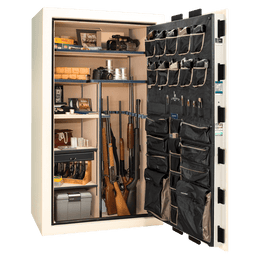
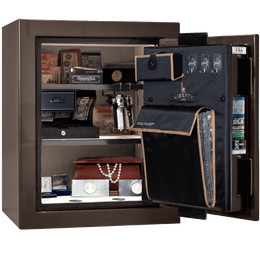
You’ve invested in a high-quality safe to protect your firearms, important documents, and irreplaceable valuables from theft and fire. But what about the hidden threat that can cause damage from within? Humidity, the unseen enemy, can get trapped inside even the most secure safe, leading to rust, corrosion, and mildew. Protecting the contents of your safe requires creating a stable, dry interior environment. This guide will walk you through effective strategies for rust prevention and safe maintenance, ensuring your prized possessions remain in perfect condition for years to come.
Understanding How Humidity Compromises Your Safe
Every time you open your safe, the air inside mixes with the air in the room, introducing moisture. When the door is closed, this moisture is trapped. Temperature fluctuations can then cause this moisture to condense on the metal surfaces of your firearms and other valuables, creating the perfect conditions for rust to form. Corrosion can degrade metal, tarnish jewelry, and cause irreparable damage. For paper documents and photographs, excess humidity can lead to mildew and deterioration, destroying precious records and memories.
Controlling the relative humidity (RH) inside your safe is the key to preventing this damage. The ideal RH level for preventing rust on metal items, including firearms, is between 30% and 50%. Anything higher creates a significant risk of corrosion. A robust humidity control strategy is a non-negotiable part of responsible safe ownership, essential for maintaining the value and function of what you store inside your American-made safe.
Proven Methods for Corrosion Control in Your Safe
Implementing a multi-faceted approach is the most effective way to combat interior humidity. Combining active dehumidification with proper storage habits creates a powerful defense against rust and moisture damage.
1. Invest in a Quality Dehumidifier
A dehumidifier is your first line of defense. There are two primary types suitable for safes, each with its own advantages.
- Electric Rod Dehumidifiers: These devices, often called "GoldenRods," work by slightly warming the air inside the safe. This gentle heat raises the temperature just enough to prevent condensation from forming. They require an electrical outlet inside or near your safe and provide constant, maintenance-free protection. They are excellent for creating air circulation and maintaining a consistent, dry environment.
- Desiccant Dehumidifiers: These are containers filled with moisture-absorbing materials, such as silica gel beads. They are wireless and work by actively pulling water vapor from the air. While effective, they have a limited capacity and must be "recharged" periodically, typically by heating them in an oven to release the collected moisture. Desiccants are a great option for safes without easy access to power. Some gun owners use both types for maximum fire and moisture protection.
2. Practice Smart Storage Habits
Your storage routine plays a significant role in rust prevention. Before placing any item in your safe, ensure it is completely clean and dry. Wipe down firearms with a quality rust-inhibiting oil or cloth. Avoid bringing items directly inside from a cold or rainy environment, as they can carry moisture that will become trapped. Proper organization, using accessories like an AR-15 Mag Holder, also improves airflow, allowing your dehumidifier to work more efficiently.
3. Conduct Regular Inspections
Make it a habit to inspect the contents of your safe at least once a month. Check your firearms and other metal items for any early signs of rust or condensation. This is also the perfect time to check your desiccant dehumidifier's indicator to see if it needs recharging or to ensure your electric dehumidifier is functioning correctly. Early detection is crucial for preventing minor issues from becoming major problems.
Choosing the Right Dehumidifier for Your Safe
| Feature | Desiccant Dehumidifiers | Electric Rod Dehumidifiers |
|---|---|---|
| Power Source | None required (cordless) | Requires electrical outlet |
| Maintenance | Periodic recharging (heating) required | Virtually maintenance-free |
| Best For | Safes without power access, smaller spaces | Continuous, long-term protection; larger safes |
| Mechanism | Absorbs moisture directly from the air | Warms air to prevent condensation and promote circulation |
Climate Considerations Across the United States
Your geographic location significantly impacts the level of humidity your safe is exposed to. In coastal and southeastern states, high ambient humidity is a year-round concern, making a powerful, continuous-duty dehumidifier almost mandatory. However, even in drier, arid regions of the country, rust prevention is vital. Basements, garages, and rooms with significant temperature swings can create condensation inside a safe regardless of the outside climate. Every safe owner in every part of the United States can benefit from a dedicated humidity control system to provide peace of mind and protect their investments, whether they own a compact Centurion or a large-capacity Collector model.
Protect Your Legacy with Liberty Safe
Your valuables deserve the ultimate protection, both inside and out. By implementing these rust prevention strategies, you ensure that what matters most remains safe from all threats. If you have questions about outfitting your safe or choosing the right accessories, our team is here to help.
Contact Our Experts TodayFrequently Asked Questions
How often should I recharge my desiccant dehumidifier?
This depends on your local climate and how often you open your safe. In humid areas, you may need to recharge it every 2-4 weeks. In drier climates, it could be every 2-3 months. Most desiccant units have a color-indicator that tells you when it's time to recharge.
Can I use too many dehumidifiers in my safe?
It's difficult to make the air *too* dry with standard safe dehumidifiers. However, you want to avoid extremely low humidity (below 20-30% RH), which can dry out and potentially crack wooden gun stocks or other delicate items over time. The goal is a stable environment between 30-50% RH.
What are the first signs of rust I should look for?
Early rust often appears as small, reddish-brown or orange specks on metal surfaces, particularly in crevices or on unblued steel. You might also notice a slightly musty smell inside the safe, which can indicate high moisture levels and the potential for mildew.
Are Liberty Safes designed to help prevent rust?
Yes, Liberty Safes are built with tight tolerances and superior door seals that help create a more stable internal environment. Pairing this quality construction with an active dehumidification system provides the highest level of protection against fire and corrosion.