

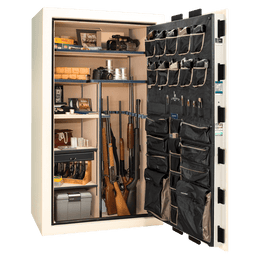
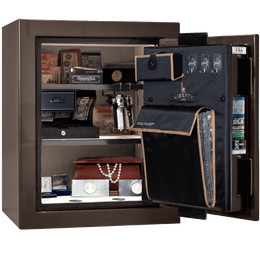
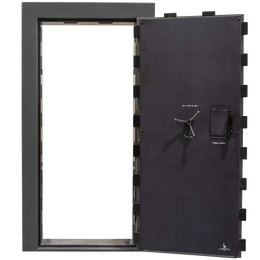


Your comprehensive guide to transporting and reinstalling your heavy safe without damage or injury.
A Liberty Safe is a significant investment in the security of your most prized possessions. Built to be formidable and stationary, its weight and bulk are key features of its protective design. But what happens when you need to move? Relocating a heavy safe is a complex task that requires careful planning, the right equipment, and a healthy respect for the risks involved. While hiring professionals is always the recommended and safest option, this guide provides essential knowledge for those who need to understand the process.
Understanding the Challenge: Why Moving a Safe is a Serious Task
Moving a safe is not like moving a piece of furniture. Safes are engineered to be incredibly heavy and difficult to transport to deter theft. The average home or gun safe can weigh anywhere from 200 to over 1,500 pounds, with some models exceeding a ton. It's not just the dead weight; their bulky, awkward shape creates a high center of gravity, making them prone to tipping if not handled correctly.
Attempting to move a safe without proper knowledge and equipment can lead to severe consequences, including:
- Serious Personal Injury: The immense weight can cause crushing injuries, strained backs, and other severe harm if the safe is dropped or tips over. The risk of injury is the primary reason professional assistance is strongly advised.
- Property Damage: Dropping a safe can cause thousands of dollars in damage, cracking tile floors, gouging hardwood, destroying stairs, and damaging walls.
- Damage to the Safe: Improper handling can damage the safe’s locking mechanism, compromise its fire or burglary resistance, and potentially void the manufacturer's warranty.
Expert Recommendation: Liberty Safe consistently recommends hiring professional, insured safe movers. They possess the experience, specialized equipment, and insurance to handle the job safely and efficiently, protecting you, your home, and your investment.
Phase 1: Meticulous Preparation is Key
Before any lifting begins, thorough preparation is essential to ensure a smooth and safe process. Rushing this stage is a recipe for disaster.
1. Empty the Safe Completely
This is a non-negotiable first step. Remove all firearms, ammunition, documents, and valuables. This not only protects your belongings from damage during transit but also reduces the safe's overall weight, making it slightly easier and safer to handle.
2. Measure Everything and Plan Your Route
Measure the safe’s dimensions (height, width, depth) and then measure every doorway, hallway, and corner along your planned exit path. Ensure there is enough clearance. Clear the route of any obstacles, including furniture, rugs, and décor, to create an unobstructed path.
3. Protect Your Property
Protect your floors by laying down plywood sheets, hardboard, or thick moving blankets to distribute the weight and prevent scratches or cracks. This is especially critical for wood, tile, and vinyl flooring. Pad walls and doorframes along the route as well.
Did You Know?
The weight of a safe is a primary security feature. While newer materials offer advanced protection, significant weight remains a powerful deterrent against burglary. A would-be thief who cannot easily move the safe is less likely to succeed in breaking into it on-site. That's why proper anchoring is just as important as the move itself!
Phase 2: The Right Equipment and Team
Attempting to move a heavy safe with brute force alone is extremely dangerous. Specialized equipment is required to manage the weight safely.
Essential Moving Gear:
-
✓
Heavy-Duty Appliance Dolly: Do not use a standard dolly. You need an appliance dolly rated to handle well over 1,000 pounds, equipped with straps to secure the safe.
-
✓
Stair-Climbing Dolly: If stairs are involved, this specialized equipment is crucial. Never attempt to move a heavy safe on stairs with a standard dolly.
-
✓
Moving Blankets and Straps: Thick blankets protect the safe’s finish and your property. Heavy-duty ratchet straps are needed to secure the safe tightly to the dolly and inside the transport vehicle.
-
✓
A Capable Team: Moving a safe is not a one-person job. You need at least two to three strong, capable helpers who understand the risks and can communicate effectively throughout the process.
-
✓
Proper Vehicle: A standard pickup truck may not be sufficient. A moving truck with a reinforced floor and a hydraulic lift gate is the safest option for loading and unloading.
Phase 3: Reinstallation and Final Checks
Getting the safe to its new location is only half the battle. Proper reinstallation is critical for its security and function.
1. Choose the Right Spot
Ensure the new location's floor can support the safe's weight, especially if it's on an upper level. Basements or ground floors with concrete subflooring are ideal. Check for radiant heating, pipes, or wiring before drilling.
2. Anchoring Your Safe is a Must
A safe that isn't bolted down is more vulnerable. Anchoring prevents thieves from tipping the safe over—a common tactic used to gain leverage for prying open the door. It also prevents the safe from tipping accidentally, which is a major safety hazard. Follow manufacturer instructions carefully, using the correct hardware for your floor type (wood or concrete).
3. Post-Move Inspection
Once in place, perform a final check. Ensure the door swings correctly and the lock mechanism functions smoothly. Inspect for any dings or scratches that may have occurred during the move. A properly leveled and anchored safe should be stable with no wobble.
Protect Your Investment and Your Peace of Mind
Relocating your Liberty Safe is a significant undertaking that demands respect for the process. While this guide offers insight, the safest and most effective method is to trust professionals.
Contact Us for Expert AdviceFrequently Asked Questions (FAQ)
Why can't I just move the safe myself with a few friends?
While possible, it's highly discouraged due to extreme safety risks. Safes are top-heavy and dangerously unstable when moved improperly. Professionals use specialized equipment like hydraulic dollies and stair-climbers, and carry insurance to cover potential damage or injury—risks you would assume yourself in a DIY move.
How much does it cost to have a safe moved professionally?
Costs vary based on the safe's weight, the distance of the move, and complexity (like stairs or tight corners). Local moves can range from approximately $200 to over $750. While it's an added expense, it often pales in comparison to the potential costs of property damage or medical bills from a failed DIY attempt.
Do I have to bolt my safe down in the new location?
Yes, anchoring is strongly recommended. It is a critical step for both security and safety. An unanchored safe can be tipped over by burglars to gain leverage for prying, or it can accidentally fall, posing a severe risk to anyone nearby, especially children.
Can moving a safe damage its locking mechanism?
Yes. The precision components inside both electronic and mechanical locks can be damaged by jarring impacts or if the safe is dropped. This is another reason professional handling is important; they are trained to move the safe smoothly to protect its integrity. Keeping the safe upright during the move is also crucial.