
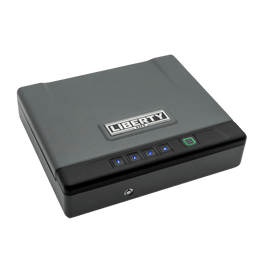

Finding the Perfect Fit for Your Peace of Mind
Choosing a safe is a significant step in protecting what matters most. But selecting the right size is just as crucial as its security features. A safe that’s too small will quickly be outgrown, while one that’s too large can be an inefficient use of space and budget. This guide will walk you through essential storage planning to help you determine the perfect safe dimensions for your current valuables and future needs.
Step 1: Assess Your Current and Future Storage Needs
The number one mistake people make when buying a safe is underestimating the amount of space they require. A safe is a long-term investment, so it’s wise to plan for growth. What you need to protect today might be just a fraction of what you’ll want to secure in the next five to ten years.
Create an Inventory
Start by making a comprehensive list of everything you intend to store in your safe. This helps you visualize the volume required. Group items into categories to better organize your storage planning:
- Important Documents: Passports, birth certificates, social security cards, wills, property deeds, and financial records. Consider that paper stacks can take up more room than you think.
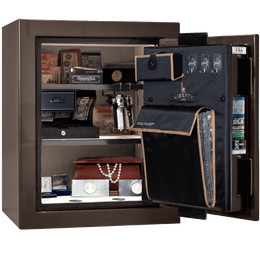
- Valuables: Jewelry, watches, family heirlooms, and collectible coins or stamps.
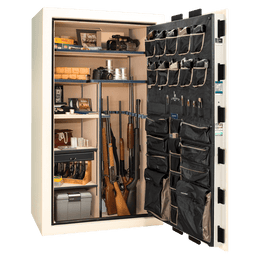
- Firearms and Accessories: Handguns, rifles, shotguns, and ammunition. The length of your longest firearm is a key measurement to consider.
- Digital Media: External hard drives, USB drives, and memory cards containing irreplaceable photos and important backups.
- Cash: Emergency funds or cash for personal use.
- Other Bulky Items: Cameras, small electronics, or sentimental objects.
Plan for the Future
Once you have your current inventory, think about what you might acquire in the future. Will your firearm collection grow? Will you inherit more family heirlooms? A common recommendation is to choose a safe that is at least 20-30% larger than your immediate needs. It's far more cost-effective to buy a slightly larger safe now than to have to purchase a second one later.
Step 2: Measure Your Space and Understand Safe Dimensions
Before you fall in love with a particular model, you need to know where it will live in your home. The location determines the maximum external dimensions you can accommodate.
External vs. Internal Dimensions
It's crucial to understand the difference between a safe's exterior and interior measurements. The listed external safe dimensions (Height x Width x Depth) tell you how much space the safe will occupy. However, the usable storage space is the internal dimension, which is always smaller due to the thickness of the walls and door, which provide fire and burglary protection. Always focus on the internal capacity, often measured in cubic feet, to determine if your items will fit.
Remember to account for external features like the handle, lock, and hinges, which can add several inches to the overall depth and width. Also, ensure there's enough clearance to swing the door open fully to access the contents without obstruction.
Common Placement Locations:
- Closets: A popular and discreet option. Measure the floor space and height carefully, accounting for shelving.
- Basements: Often provide more space for larger safes and a solid concrete floor for bolting down.
- Home Office: Convenient for accessing documents and small electronics.
- Garage: A common choice, but ensure the floor is level and can support the weight.
Practical Safe Size Guide
To help you visualize, safes are often categorized as small, medium, or large. The right size depends entirely on your inventory list.
| Safe Size Category | Typical Internal Capacity | Best For Storing |
|---|---|---|
| Small / Compact | 0.5 - 1.5 Cubic Feet | Passports, cash, a few pieces of jewelry, a single handgun. |
| Medium | 1.5 - 4.0 Cubic Feet | Documents, binders, laptops, multiple handguns, camera equipment, and other valuables. |
| Large | 4.0 - 25+ Cubic Feet | Extensive collections of firearms, bulky valuables, and significant quantities of documents and other items. |
Tips for Efficient Storage Planning
- Adjustable Shelving: Look for safes with modular or adjustable shelving. This flexibility allows you to customize the interior layout as your collection changes.
- Door Organizers: Many safes come with door-mounted organizers, perfect for pistols, documents, and other small items, freeing up valuable shelf space.
- Go Taller, Not Deeper: In some cases, a taller safe might be a better use of space than a deeper one, which can make it difficult to access items at the back.
Did You Know?
A safe's weight is a significant security feature. A larger, heavier safe is much more difficult for a burglar to simply carry away. Proper anchoring to the floor further enhances security, making it nearly impossible for thieves to remove the entire unit.
A National Brand with Local Trust
As America's #1 safe manufacturer, Liberty Safe is trusted by millions of homeowners across the United States. Our commitment to quality, reliability, and service ensures that no matter where you are in the country, you're investing in proven protection. Our extensive network means you get the best of both worlds: the robust engineering and lifetime warranty of a national leader, combined with the dedicated support and service you expect. Choosing the right size is the first step, and we're here to help you protect what you value most.
Ready to Find Your Perfect Safe?
Proper storage planning ensures you get the right protection for today and tomorrow. If you have questions about safe dimensions or need expert advice, our team is here to help.
Contact Us TodayFrequently Asked Questions (FAQ)
What is the most common mistake when choosing a safe size?
The most common mistake is buying a safe that's too small. Owners often only consider their current needs and forget to plan for future acquisitions like new firearms, inherited valuables, or important documents. Always opt for a slightly larger size than you think you need.
Should I be more concerned with external or internal safe dimensions?
Both are important for different reasons. External dimensions determine if the safe will fit in your desired location. Internal dimensions (or capacity in cubic feet) tell you how much you can actually store inside. Prioritize internal capacity for your valuables while ensuring the external size fits your space.
How do I measure for a safe in a closet?
Measure the width, depth, and height of the closet floor space. Then, measure the closet doorway to ensure the safe can pass through it. Remember to account for the safe handle's projection and the space needed to open the door completely once it's inside.
Does the thickness of the safe walls affect storage space?
Yes, significantly. Thicker walls and doors, which provide better fire and burglary protection, reduce the internal usable space. This is why you cannot rely on external dimensions alone for storage planning. Always check the manufacturer's specifications for the internal cubic footage.