


Protecting Your New Firearm: A Guide to Proper Care and Storage
Receiving a firearm as a gift is a sign of great trust and carries with it a significant responsibility. Whether it's a family heirloom or a brand-new model, the first steps you take are critical for ensuring its longevity, reliability, and security. Proper care begins the moment you take ownership, focusing on two key areas: meticulous cleaning to prepare it for use and securing it in a high-quality safe to prevent unauthorized access. This guide provides the essential steps for cleaning your gifted firearm and explains the best practices for safe, long-term storage.
The First Step: Initial Inspection and Cleaning
Before a firearm is ever fired or stored, it must be thoroughly cleaned and inspected. This isn't just about good maintenance—it's about safety and function.
Why Cleaning a New Firearm is Crucial
Many assume a new firearm is ready to go right out of the box, but this is a common misconception. Manufacturers apply heavy oils and greases, often called factory grease, to protect the metal components from rust and corrosion during shipping and warehouse storage. While protective, this thick substance can attract dust and debris, potentially interfering with the firearm's mechanical action and leading to malfunctions. A comprehensive initial cleaning removes these preservatives and allows you to apply the correct lubricants for smooth and reliable operation.
A Step-by-Step Cleaning Guide
Always refer to your firearm's specific owner's manual for detailed instructions on disassembly and cleaning. The following is a general guide to the process:
- Safety First: Ensure the firearm is completely unloaded. Visually and physically inspect the chamber, breech, and magazine to confirm there is no ammunition present. Always treat every firearm as if it were loaded.
- Disassembly: Following the manufacturer's directions, field-strip the firearm into its main components. For most models, this includes the slide, barrel, frame, and recoil spring assembly.
- Clean the Barrel: Using a cleaning rod, bore brush, and a quality solvent, scrub the inside of the barrel to remove any factory grease or debris. Follow up with clean patches until they come out white.
- Clean the Action and Components: Use a nylon brush and solvent to scrub the slide, frame, and other small parts. Pay close attention to rails, the breech face, and extractor. Wipe all parts clean with a dry cloth.
- Lubricate: Apply a light coat of high-quality gun oil to key friction points as indicated in your owner’s manual. This typically includes slide rails, the outside of the barrel, and other moving parts. Do not over-lubricate, as excess oil can attract residue.
- Reassembly: Carefully reassemble the firearm. Function-check it by operating the slide and trigger (with the firearm unloaded) to ensure everything moves smoothly. For more information on maintaining your firearm, review our Gun Safe Use and Care guidelines.
The Cornerstone of Responsibility: Secure Firearm Storage
Once your firearm is clean, the next priority is storing it securely. A reliable safe is the most critical accessory for any firearm owner, providing protection from theft, fire, and unauthorized hands.
Why a Quality Safe is Non-Negotiable
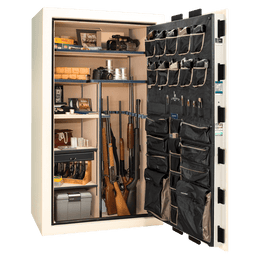
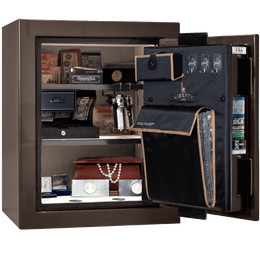
Responsible firearm ownership demands secure storage. Leaving a firearm in a closet, drawer, or a simple case is an invitation for disaster. A robust, purpose-built gun safe serves multiple functions: it prevents access by children or unauthorized individuals, protects your valuable assets from burglars, and can even shield your firearms and important documents from damage in a house fire. At Liberty Safe, we are proud to build the most trusted gun safes in America, engineered for superior security and peace of mind.
Choosing the Right Safe for Your Collection
With so many options, selecting the right safe can seem daunting. Consider the size of your current collection and plan for future acquisitions. Fire protection is another critical factor; look for safes with certified fire ratings that specify temperature and duration, like the 75 minutes of protection offered by our Colonial Series safes. Security features like steel thickness, locking bar design, and lock type are also paramount. If you're unsure where to start, our Gun Safe Quiz can help you find the perfect model for your needs.
Storage Considerations: Short-Term vs. Long-Term
| Feature | Short-Term / Quick Access | Long-Term Storage |
|---|---|---|
| Primary Goal | Immediate readiness and accessibility. | Maximum security, fire protection, and preservation. |
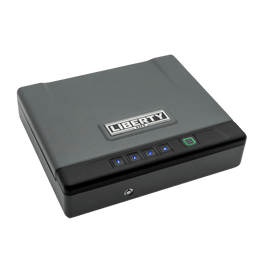
| Security Level | Good. Deters unauthorized access. | Excellent. Protects against theft with heavy steel and complex locks. |
| Fire Protection | Typically limited or none. | Crucial. Look for certified ratings to protect valuables. Learn more about fire protection you can trust. |
| Humidity Control | Less critical for daily-use items. | Essential to prevent rust and corrosion on stored firearms. |
Did You Know?
The ideal humidity level inside a gun safe is between 30% and 50%. A quality dehumidifier rod, also known as a goldenrod, can maintain this level by gently warming the air, preventing condensation and protecting your firearms from rust. This simple addition is one of the best investments for preserving your collection.
American-Made Security for American Owners
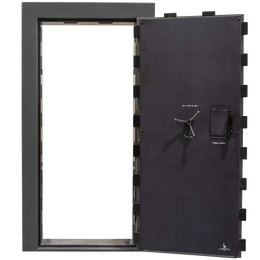
When you invest in a safe, you're investing in protection for your most valued possessions. At Liberty Safe, we believe that American quality is paramount. That's why our safes are proudly made in the USA from American steel. This commitment to domestic manufacturing allows us to maintain strict quality control, ensuring that every safe that leaves our facility meets the highest standards of security and durability. From our versatile Centurion Series to our rugged Ammo Cabinet, you are choosing a product built by American workers dedicated to protecting what you value most.
Ready to Secure Your Valuables?
A gifted firearm is a treasure that deserves the highest level of protection. Don't leave its security to chance. Explore our full range of American-made safes and find the perfect solution to protect your firearms, family, and future.
Contact Our Experts TodayFrequently Asked Questions (FAQ)
Q: Do I really need to clean a brand-new, unfired gun?
A: Yes, absolutely. New firearms are coated in heavy preservatives for shipping, not for proper operation. This factory grease can attract dirt and interfere with the gun's function. A thorough initial cleaning is a critical safety and maintenance step.
Q: How often should I clean a firearm that is in storage?
A: For firearms in long-term storage within a humidity-controlled safe, a check-up and light cleaning every 6-12 months is a good practice. This allows you to inspect for any unexpected corrosion, reapply a light coat of protective oil, and ensure everything remains in pristine condition.
Q: What is the most important feature to look for in a gun safe?
A: While features like fire rating and interior organization are important, the most critical feature is security, which starts with steel thickness and construction. A safe built with thicker gauge American steel and robust locking mechanisms provides a much stronger defense against unauthorized access.
Glossary of Terms
Factory Grease: A heavy, thick lubricant applied by firearm manufacturers to protect metal parts from rust and corrosion during shipping and long-term storage before sale.
Solvent: A chemical cleaning solution designed to dissolve and remove fouling, such as carbon, lead, and copper residue, from a firearm's barrel and action.
Dehumidifier Rod (Goldenrod): An electrical device placed inside a safe that works by slightly raising the air temperature to prevent humidity from condensing on metal surfaces, thus preventing rust.
Hygrometer: An instrument used to measure the amount of water vapor in the air, or the humidity level. It is used inside a safe to monitor the environment and ensure it stays within the optimal range for preservation.