




When most people hear “fire season,” they picture dry grass, smoky skies, and late-summer heat. But some of the most dangerous fire risks actually show up when the temperature drops and we move life indoors.
Winter is cozy season—thick blankets, holiday lights, crackling fireplaces, and space heaters humming away. It’s also the time of year when home fires spike, largely because we’re using more heat, more electricity, and more open flames than at any other time of year.
If you’ve thought of fire safety as a “summer” concern, winter is the season to rethink that.

Why Winter Is a Hidden “Fire Season”
In winter, the things that keep us warm and festive can also put us at higher risk:
-
Heating equipment runs constantly – Furnaces, fireplaces, wood stoves, and space heaters work overtime. If they’re old, dirty, or used unsafely, the chance of a fire jumps.
-
Holiday décor adds fuel – Dry Christmas trees, garlands, and candles create beautiful traditions—and fast-burning fuel if something goes wrong.
-
We stay indoors more – More cooking, more baking, more electrical use, and more people at home all day means more opportunities for something to go wrong.
Fire safety isn’t seasonal. It’s year-round—and winter deserves just as much attention as the hottest days of summer.
The Big Winter Fire Risks in Your Home
1. Space Heaters & Portable Heaters
Space heaters are one of the top causes of winter fires. They’re convenient and comforting—but they’re also responsible for many fires that start in bedrooms and living rooms.
Common issues include:
-
Heaters placed too close to bedding, curtains, or furniture
-
Heaters plugged into power strips or extension cords that overheat
-
Units tipped over or left running while people sleep or leave the house
Safer habits:
-
Keep a 3-foot “no-clutter zone” around any heat source.
-
Plug space heaters directly into a wall outlet, never an extension cord.
-
Look for models with tip-over and overheat shutoff features.
-
Turn heaters off when you leave the room or go to bed.

2. Fireplaces, Wood Stoves & Chimneys
Few things feel more “winter” than a real fire in the fireplace. But chimneys coated in creosote (a flammable residue from burning wood) can catch fire inside the chimney itself and spread.
Other risks:
-
Sparks popping out onto rugs or wood floors
-
Using the wrong kind of wood or burning trash and wrapping paper
-
Fireplaces without a proper screen or glass door
Safer habits:
-
Have chimneys and wood stoves professionally inspected and cleaned at least once a year.
-
Use a sturdy screen or glass door to block sparks.
-
Only burn dry, seasoned wood—never cardboard, gift wrap, or trash.
-
Let ashes cool completely, then store them in a metal container with a lid, away from the house.
3. Holiday Lights, Candles & Decorations
The cozy glow of winter often comes from candles and string lights—but both can be dangerous if they’re damaged, overloaded, or left unattended.
Common problems:
-
Overloaded outlets and daisy-chained extension cords
-
Old or frayed light strings that spark or overheat
-
Candles left burning near curtains, greenery, or on wobbly surfaces
-
Dry Christmas trees that can ignite and burn in seconds
Safer habits:
-
Inspect light strings and extension cords for cracks, frays, or loose plugs before using.
-
Avoid overloading outlets; follow the “one high-load device per outlet” rule.
-
Keep candles 12 inches away from anything that can burn—or better yet, switch to flameless LED candles.
-
Water real trees daily, and take them down once they start dropping lots of needles.
4. Winter Cooking & Holiday Meals
Between big family dinners, slow-cooking stews, and holiday baking marathons, winter keeps the kitchen busy. Unattended cooking is one of the leading causes of home fires year-round, and winter only increases that risk.
Safer habits:
-
Stay in the kitchen when you’re frying, broiling, or grilling.
-
Use a timer for simmering or baking, especially if you’re multitasking.
-
Keep oven mitts, towels, paper, and packaging away from burners.
-
If a small grease fire starts, turn off the heat and cover the pan with a lid—never use water.

5. Electrical Loads & Older Homes
Shorter days mean the lights stay on longer. Space heaters, electric blankets, holiday decorations, and always-on gadgets all add up. In older homes especially, wiring may not be built to handle heavy, continuous loads.
Warning signs your system might be struggling:
-
Frequently tripped breakers
-
Outlets or plugs that feel warm or hot
-
Flickering lights when other appliances turn on
If you notice these, it’s worth having a licensed electrician inspect your system.
Winter Fire Safety Basics to Review Every Year
No matter what kind of home you live in, these are must-dos as cold weather arrives:
Test Your Smoke Alarms
Smoke alarms are your first line of defense—and they’re only helpful if they work.
-
Test alarms once a month.
-
Replace batteries at least once a year, or when you hear a chirp.
-
Replace the entire unit every 10 years or according to manufacturer instructions.
Add Carbon Monoxide Detectors
With furnaces, fireplaces, and gas appliances running, winter is also peak season for carbon monoxide (CO), a colorless, odorless gas that can be deadly.
-
Install CO detectors on each level of your home and near sleeping areas.
-
Test them regularly, just like smoke alarms.
Plan & Practice an Escape Route
If a fire starts, you may only have minutes—or even seconds—to get out. Winter weather can make escape routes trickier if doors or windows are blocked or frozen shut.
-
Make sure everyone in the house knows two ways out of every room.
-
Keep exits clear of snow, ice, and clutter.
-
Decide on an outside meeting spot (like a tree or mailbox) where you’ll all gather.

Protecting What You Can’t Replace
Even with good habits and working alarms, accidents can still happen. That’s why it’s smart to think not just about preventing fires—but also about protecting the things that matter most if one ever does occur.
In a winter house fire, you’re not just worried about the structure of your home—you’re thinking about:
-
Birth certificates, passports, and IDs
-
Home and insurance paperwork
-
Wills, titles, and financial documents
-
Photos, keepsakes, and family heirlooms
-
Jewelry, small electronics, and backup hard drives
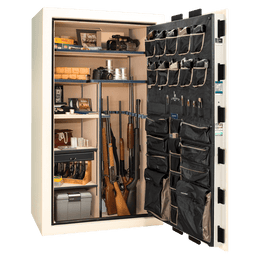
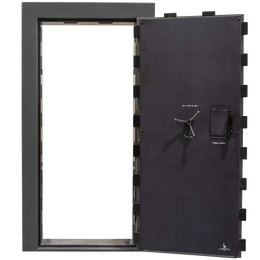
This is where Liberty’s Home Safe and Premium Home Safe lines come in. A Liberty Home Safe gives you compact, convenient fire and theft protection for everyday essentials like documents, jewelry, and small valuables, while the Premium Home Safe steps up with heavier security and longer fire protection for irreplaceable heirlooms and higher-value items. Together, they turn your winter fire safety plan into more than prevention—they help make sure the things that matter most are still there when the smoke clears.
Winter Fire Safety: A New Way to Think About “Season”
Fire season isn’t just about dry brush and summer heat. It’s also about chilly nights, extra plugs in the wall, festive lights, and the comforts we love most in winter.
As the temperature drops, consider making a few upgrades to your safety routine:
-
Give your heating equipment and fireplace a pre-winter checkup.
-
Treat candles, space heaters, and overloaded outlets with the same caution you’d give an open campfire.
-
Test your smoke and CO alarms, review your escape plan, and decide what you’d want protected if a fire ever did break out.
-
Add a Liberty Home Safe or Premium Home Safe so that, even if the unexpected happens, your most important items have a fighting chance.
You can’t control the weather, and you can’t predict every accident. But you can turn winter from a hidden “fire season” into a safer, more secure season at home—with a thoughtful plan and the right protection in place.