
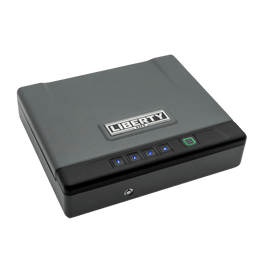

How to read satisfaction claims, reviews, and “real-world stories” like an expert—without getting lost in marketing
Customer reviews can be helpful—especially when you’re shopping for a safe online on a phone and trying to compare models quickly. The catch is that not all testimonials carry the same weight. A five-star comment about “fast delivery” doesn’t tell you much about the two things that matter most over the long run: reliability (it works when you need it) and protection (it performs under real stress).
This guide breaks down how to evaluate customer reliability and testimonials for gun safes and home safes—and how to pair what customers say with the objective details that protect what you value.
This guide breaks down how to evaluate customer reliability and testimonials for gun safes and home safes—and how to pair what customers say with the objective details that protect what you value.
Why “reliability” is different from “security” (and why reviews often mix them up)
People use the word “reliable” to mean several different things. For safes, it helps to separate reliability into four buckets:
1) Lock reliability: keypad/dial works consistently; battery changes are straightforward; lock doesn’t “act up” in normal use.
2) Door & boltwork reliability: door swings smoothly; bolts engage properly; handle feels solid over years, not weeks.
3) Service reliability: clear support pathways, helpful documentation, predictable warranty processes.
4) Protection reliability: the safe’s construction and ratings match the threat you’re planning for (burglary delay and/or fire endurance).
Reviews usually describe the first three. The fourth—protection reliability—is better validated by standards, ratings, construction specs, and proper installation.
What to look for in testimonials that actually predict long-term satisfaction
Strong testimonials are specific, time-based, and use-case relevant. When you’re scanning reviews, prioritize comments that include:
A time marker
“After 2 years…” “Owned it through a move…” “Installed last season and opened daily…”
“After 2 years…” “Owned it through a move…” “Installed last season and opened daily…”
These are more predictive than first-week impressions.
A clear scenario
“Basement install.” “Garage install.” “Small closet footprint.” “Frequent access.”
“Basement install.” “Garage install.” “Small closet footprint.” “Frequent access.”
Where the safe lives changes rust risk, usability, and the need for lighting/dehumidification.
Details about customer support
“They answered quickly.” “Clear paperwork.” “Parts shipped fast.”
“They answered quickly.” “Clear paperwork.” “Parts shipped fast.”
Service consistency is a real part of reliability—especially if you ever need lock help, replacement keys, or ownership transfer guidance.
Specific usability notes
Door swing clearance, interior layout, shelf strength, lighting visibility, keypad readability at night.
Door swing clearance, interior layout, shelf strength, lighting visibility, keypad readability at night.
How to pair “what customers say” with objective proof (ratings that matter)
Testimonials can tell you whether owners like a safe. Ratings can tell you what a safe is designed to withstand. Two categories come up most often:
Burglary delay ratings (commercial-style): UL 687 is a well-known framework for tool/torch resistance classes like TL-15, TL-30, TRTL, and X6 variations. (ulnormdoc.com)
Fire endurance ratings (record/media protection): UL fire classifications often reference internal temperature targets—commonly “Class 350” for paper protection and “Class 125” for digital media. (safetyfile.com)
You don’t need to memorize every label. The practical move is to use ratings as a shortlist filter, then use reliability testimonials to decide which model you’ll actually enjoy owning and using.
Step-by-step: A “reliability-first” way to shop (fast, mobile-friendly)
Step 1: Define the top two priorities
Pick your top two from: fire protection, burglary delay, quick access, storage capacity, or space constraints. This keeps you from overbuying (or underbuying) based on hype.
Step 2: Screen testimonials for the “ownership timeline”
Favor reviews that mention months/years of use, moving the safe, daily access, or long-term lock performance.
Step 3: Confirm the lock experience you want
Some owners want the speed of an electronic lock; others prefer the familiarity of a mechanical dial. Either way, reliability comments should mention: consistent entry, easy code changes, and clear battery/maintenance habits.
Step 4: Plan for the install (reliability isn’t just the product)
A safe that isn’t positioned well is harder to use and easier to neglect. Think door swing, humidity, lighting, and whether you’ll anchor it as recommended for your setup.
Step 5: Add “quality of life” upgrades that customers consistently appreciate
Interior lighting and organization upgrades show up in satisfied-owner feedback because they reduce day-to-day friction—especially when you’re accessing the safe early mornings or late evenings.
Quick “Did you know?” reliability facts
Net working time matters in burglary ratings. In UL-style burglary testing, “15 minutes” refers to time actively working on the safe (the clock stops when tools come off). (silvaconsultants.com)
Paper and digital media don’t have the same heat tolerance. UL fire classes commonly reference internal temperature limits (for example, Class 350 for paper and Class 125 for media). (safetyfile.com)
Lighting is a reliability upgrade. Owners often mention that once the interior is well-lit, they’re more likely to keep items organized and return them to the right place—small habit changes that improve everyday “satisfaction.”
Quick comparison table: Testimony vs. rating vs. spec
| What you’re evaluating | Best source | What to look for | What to ignore |
|---|---|---|---|
| Daily usability | Testimonials | Door swing, keypad visibility, shelf layout, lighting satisfaction | One-day “unboxing” hype |
| Lock consistency | Testimonials + manuals/support | Code change clarity, battery routine, smooth dialing/entry | Vague “seems sturdy” claims |
| Burglary delay capability | Standards/ratings | Recognized burglary classes like TL/TRTL frameworks and what “net working time” means (silvaconsultants.com) | “Impossible to break into” language |
| Fire protection goals | Fire classification details | Internal temp targets (e.g., Class 350 paper vs Class 125 media) (safetyfile.com) | “Fireproof” absolutes |
Local angle: What “reliability” looks like across the United States
In the U.S., safe ownership conditions vary more than most buyers expect. Reliability feedback means different things depending on region:
Humid & coastal areas: prioritize comments about interior moisture control habits, door seal feel, and whether owners use lighting and organization to keep airflow and visibility good.
Cold climates: look for feedback on keypad readability, smooth door operation, and where the safe is placed to avoid temperature swings.
High-traffic households: reliability often means “quick, repeatable access” and consistent organization—reviews about layout and lighting become more meaningful than most people assume.
If you’re buying online, consider using a simple checklist: placement, power/battery routine, and interior visibility. Those three items strongly influence whether owners still love the safe years later.
Want help choosing the right Liberty Safe setup?
If you’d like guidance on sizing, placement, interior layout, or accessory options that improve everyday reliability, Liberty Safe can point you in the right direction.
FAQ: Customer reliability & testimonial questions
Are testimonials more valuable than ratings?
They answer different questions. Testimonials help predict owner satisfaction and day-to-day usability. Ratings and test frameworks help validate protection goals (burglary delay and fire endurance). The strongest buying decision uses both.
They answer different questions. Testimonials help predict owner satisfaction and day-to-day usability. Ratings and test frameworks help validate protection goals (burglary delay and fire endurance). The strongest buying decision uses both.
What does “TL-15” or “TL-30” mean when I see it mentioned online?
These labels are commonly used to describe tool-resistant burglary ratings tied to UL-style testing language, where “15” or “30” refers to a net working time under attack conditions. (silvaconsultants.com)
These labels are commonly used to describe tool-resistant burglary ratings tied to UL-style testing language, where “15” or “30” refers to a net working time under attack conditions. (silvaconsultants.com)
What fire rating should I look for if I’m protecting documents?
Many fire classifications reference an internal temperature limit; “Class 350” is commonly associated with paper protection, while “Class 125” is associated with more heat-sensitive digital media. (safetyfile.com)
Many fire classifications reference an internal temperature limit; “Class 350” is commonly associated with paper protection, while “Class 125” is associated with more heat-sensitive digital media. (safetyfile.com)
What’s the single most “reliability-friendly” accessory upgrade?
Interior lighting. It makes it easier to organize contents, confirm the door is fully closed, and access items without fumbling. If your safe is in a closet, basement, or garage, lighting is often the first upgrade owners say they should have done sooner.
Interior lighting. It makes it easier to organize contents, confirm the door is fully closed, and access items without fumbling. If your safe is in a closet, basement, or garage, lighting is often the first upgrade owners say they should have done sooner.
How can I tell if a review is trustworthy?
Look for details that are hard to fake: installation constraints, door clearance notes, specific lock behavior (without drama), and time-based ownership context (months/years). Short, generic praise is less predictive.
Look for details that are hard to fake: installation constraints, door clearance notes, specific lock behavior (without drama), and time-based ownership context (months/years). Short, generic praise is less predictive.
Glossary (plain-English)
Net working time
A testing term used in burglary ratings: only the time when tools are actively being applied to the safe counts (if the tool comes off, the clock stops). (thesafehouse.com)
A testing term used in burglary ratings: only the time when tools are actively being applied to the safe counts (if the tool comes off, the clock stops). (thesafehouse.com)
TL / TRTL / X6
Common shorthand used in UL-style burglary rating language. “TL” indicates tool resistance; “TRTL” adds torch resistance; “X6” indicates testing on all six sides. (silvaconsultants.com)
Common shorthand used in UL-style burglary rating language. “TL” indicates tool resistance; “TRTL” adds torch resistance; “X6” indicates testing on all six sides. (silvaconsultants.com)
UL Class 350 / UL Class 125
Fire classification language commonly describing internal temperature limits during a test—Class 350 is associated with paper protection, and Class 125 is associated with protecting heat-sensitive digital media. (safetyfile.com)
Fire classification language commonly describing internal temperature limits during a test—Class 350 is associated with paper protection, and Class 125 is associated with protecting heat-sensitive digital media. (safetyfile.com)