
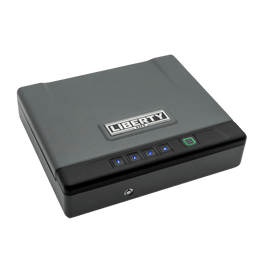

A practical, no-nonsense guide to choosing a mid-range home or gun safe
Shopping the mid-priced safe category can feel like comparing spec sheets that don’t translate into real protection. One model brags about steel gauge, another highlights “military-grade” locks, and a third leads with a fire rating that sounds impressive but isn’t always apples-to-apples. This walkthrough breaks down the features that tend to matter most for everyday homeowners in the United States—especially buyers who want strong security, dependable fire protection, and smart interior organization without paying for extreme commercial-rated hardware.
Start With the “Use Case” (Because Specs Don’t Live in a Vacuum)
A mid-priced safe is often the sweet spot for homeowners who want meaningful security upgrades over entry-level cabinets but don’t need (or can’t accommodate) a commercial vault. Before you compare features, decide what you’re protecting and how you’ll use the safe day-to-day:
Ask yourself:
• Are you storing long guns, handguns, documents, jewelry, or a mix?
• Will the safe live in a bedroom closet, office, basement, or garage?
• Do you want quick access (electronic lock) or “set it and forget it” (mechanical dial)?
• Is interior lighting and organization important for regular access?
Security Features That Usually Matter in Mid-Priced Safes
A good mid-range safe should prioritize resistance to prying and forced entry with practical, proven construction choices. Here’s what’s worth your attention.
1) Steel thickness (and what “gauge” really signals)
Steel gauge is a common shorthand for thickness: lower gauge numbers mean thicker steel. In the mid-priced category, you’ll often see body steel ranging around 12–11 gauge and doors that use thicker plate or layered construction. While gauge isn’t the only factor (weld quality, frame design, and door construction matter), thicker steel typically provides better resistance to prying and cutting.
2) Locking bolts and the door frame
Bolt count gets marketed heavily, but what often matters more is the overall door/frame interface: a strong door edge, well-supported boltwork, and a solid frame that resists spreading. More bolts can help distribute force, but “more” isn’t automatically “better” if the surrounding structure is weaker. Look for designs that emphasize pry resistance and a robust door frame—not just a big bolt number.
3) Relockers and hardplate (quiet upgrades that matter)
Many better safes incorporate features intended to protect the lock from drilling or forced manipulation, such as hardplate and relockers. These are the kinds of features you don’t “feel” when you open the safe, but they’re part of what separates a serious mid-level safe from a basic cabinet.
4) UL burglary classifications: what “RSC” actually means
When you see “UL RSC,” it refers to a standardized test under UL 1037 and is commonly associated with many “gun safe” style products. Historically, this included resisting a five-minute attack with common hand tools, and UL has described updates that allow graduated performance levels (tiers) to better differentiate products. (ul.com)
Fire Protection: How to Read Ratings Without Getting Misled
Fire ratings are one of the most misunderstood parts of safe shopping, especially in the mid-priced category where you’ll see a mix of manufacturer ratings and third-party standards. A few key concepts can keep you grounded.
1) “Class 350” vs “Class 150/125”
For traditional documents, you’ll often hear “Class 350,” meaning the interior is intended to remain below 350°F during the test (paper chars around that point). For digital media, the limit is much lower (Class 150 or Class 125). (keystonesafe.com)
2) Time ratings aren’t all created equal
A stated “60 minutes” can mean very different test profiles depending on the standard used (temperature curve, ramp-up, cool-down, and whether there’s a post-heating/cool-down requirement). UL 72 testing, for example, includes a controlled furnace profile and cool-down requirements. Some independent or manufacturer tests may use different temperature curves that are easier to “pass” while still producing a big number on the label. (gunsafereviewsguy.com)
3) Seal and construction details matter more than marketing adjectives
In real homes, fire protection is a system: insulation strategy, door fit, and heat-expanding seals all play a role. If you’re comparing two mid-priced safes with similar time ratings, pay attention to how the door seals, how tight the door closes, and whether the interior configuration fits the items you truly need to protect.
A Step-by-Step Mid-Priced Safe Walkthrough (How to Compare Like a Pro)
Step 1: Measure your space—then size up
Measure doorway width, hallway turns, and the final footprint. Then size the interior for growth. Many owners fill a safe faster than expected once they add documents, heirlooms, accessories, and organized storage. If your budget allows, moving up one size often delivers a better long-term experience than trying to “make it work” in a tight interior.
Step 2: Pick the lock type based on your routine
Electronic locks are convenient for frequent access; mechanical dials are simple and time-tested. If you prefer electronic, plan for battery maintenance and choose a model with clear user controls. If you prefer a dial, confirm that everyone who needs access is comfortable using it.
Step 3: Prioritize installation and anchoring
A safe is strongest when it’s positioned smartly and anchored correctly (when your floor type and situation allow). Plan for where it will sit, how the door will swing, and whether you want it out of casual view (closet or dedicated room placements are popular for this reason).
Step 4: Budget for “useability” upgrades (lights, organization, humidity control)
A safe you enjoy using is a safe you’ll keep organized. Two upgrades that consistently pay off for everyday access:
Interior lighting: Makes it easier to find items quickly, especially in closets or darker rooms. Consider adding a dedicated kit like the Gun Safe LED Light Kit or a motion-sensing option such as the Clearview Electrical LED Wand Light Kit.
Humidity strategy: Many owners use a gentle heating rod and/or desiccant to reduce condensation risk. The effectiveness depends on the room’s overall humidity; in very humid regions, a room dehumidifier can make a bigger difference than anything inside the safe. (sigtalk.com)
Quick Comparison Table: What to Look for in the Mid-Priced Tier
| Feature Area | Better Signal | Common Distraction | Why It Matters |
|---|---|---|---|
| Steel & build | Thicker body/door, strong frame, quality welds | Huge bolt count alone | Pry resistance is a system, not a single number |
| Burglary rating | UL RSC (and any higher/clearer tiering) | Vague “vault-grade” terms | Third-party criteria helps normalize comparisons (ul.com) |
| Fire protection | Clear standard + construction details + seal quality | Bigger “minutes” with no context | Test profiles vary—context matters (gunsafereviewsguy.com) |
| Daily usability | Smart interior layout, lighting, easy access | Overbuilt interiors that waste space | Organized storage prevents damage and saves time |
Local Angle: What “Works” in the United States (Homes, Climate, and Install Realities)
Across the United States, safe placement and climate control can change what features matter most. If your safe will live in a climate-controlled part of the home, interior humidity control can be simple and low maintenance. If it’s going into a basement, garage, or any space that swings in temperature or humidity, it’s worth thinking beyond the safe itself:
• Humid regions: Consider controlling the room with a dedicated dehumidifier if needed; internal rods/desiccants can help, but they’re not magic. (sigtalk.com)
• Wildfire-prone or high-heat risk areas: Pay closer attention to credible fire testing details and door seal design.
• Subfloor/second-story installs: Plan the move path and location early—weight and access can influence which size/model is realistic.
Want help narrowing down the right Liberty Safe setup?
If you’re comparing mid-priced options and want a second set of eyes on size, placement, features, and interior add-ons (like lighting and organization), Liberty Safe can help you get clarity without guesswork.
FAQ: Mid-Priced Safe Shopping
Is a thicker steel gauge always better?
Thicker steel is usually a meaningful advantage, but it’s not the only one. Door/frame design, boltwork support, and overall construction quality all contribute to real-world pry resistance.
What does UL RSC mean for a homeowner?
UL’s Residential Security Container category is a standardized burglary-resistance classification commonly associated with “gun safe” style products and historically involved a five-minute attack test with common hand tools. UL has also described updates that allow tiered performance levels to differentiate security levels. (ul.com)
Should I prioritize fire rating minutes or burglary rating?
Most homeowners should balance both. Burglary resistance protects against forced entry, while fire protection helps preserve important items in high-heat events. If you’re forced to choose, align with your realistic risks (location, placement, and what you store).
Do I need interior lighting?
If your safe is in a closet or you access it regularly, lighting is one of the best “quality of life” upgrades. It reduces fumbling, helps you keep items organized, and makes the safe feel easier to use day after day. Options include dedicated kits like Liberty’s Brightview Safe Light Kit or motion-sensing wand kits like the Clearview Electrical LED Wand Light Kit.
What’s a practical humidity target inside a safe?
Many owners aim for a moderate, stable range and focus on preventing condensation conditions. If your surrounding room stays humid, room-level dehumidification may be the most effective first move, with internal solutions as a supporting layer. (sigtalk.com)
Glossary (Plain-English Safe Terms)
Gauge (steel)
A thickness scale for sheet steel. Lower numbers typically mean thicker steel.
UL RSC
“Residential Security Container,” a UL category commonly used for many gun-safe style products. Historically, it referenced a five-minute tool-attack test under UL 1037, with newer tiering described by UL to differentiate performance levels. (ul.com)
Hardplate
A hardened barrier intended to resist drilling attacks near the lock area.
Relocker
A mechanism designed to lock the safe down if the lock is attacked or compromised.
Class 350 (fire)
A fire-test classification aimed at keeping interior temperatures below 350°F to protect paper documents. (deansafe.com)