
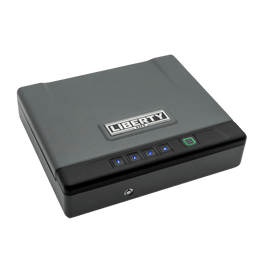

A practical, non-overwhelming checklist for buyers who want “better than entry-level” without overbuying
Mid-tier safes are popular for a reason: they tend to offer meaningful upgrades in steel construction, lock options, interior flexibility, and fire protection compared to basic cabinets—while still fitting real homes, real budgets, and real daily routines. This guide breaks down what “mid-tier” should mean in practical terms, what specs matter most, and how to match features to how you actually store firearms, documents, and valuables.
1) What “mid-tier” should deliver (and what it shouldn’t)
“Mid-tier” isn’t one exact price point—it’s a performance sweet spot. As you shop, think less about marketing labels and more about whether the safe:
Should meaningfully improve:
• Steel thickness and door construction compared to entry-level storage
• Lock quality and user experience (reliability, serviceability, access speed)
• Fire protection design (not just a sticker—look for testing details)
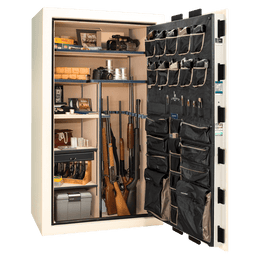
• Interior organization and capacity that matches real-world loadouts
• Installation/anchoring options that make the safe harder to move
Shouldn’t force you into:
• Oversized footprints that don’t fit normal rooms or closets
• Overcomplicated interiors you’ll rip out later
• “One-number” shopping (buying solely by gun count, solely by fire minutes, or solely by steel gauge)
2) Security ratings: understand RSC before you compare models
Many buyers see “RSC” and assume it’s a simple pass/fail badge. In reality, UL’s Residential Security Container (RSC) standard evolved into a tiered framework, intended to help differentiate security performance levels using defined attack testing. The baseline RSC test has historically centered on a short timed attack using common hand tools, and the updated revisions introduced graduated attack levels. (ul.com)
How to use this while shopping:
• If two safes are close in price, favor the one with clearer security documentation and construction details.
• Treat RSC as a starting point—then evaluate steel, door design, and how you’ll anchor and place the safe.
• Don’t ignore “daily” security: a lock you reliably use beats a lock you avoid because it’s annoying.
3) Fire protection: what the “minutes” number does (and doesn’t) tell you
Fire ratings can be confusing because manufacturers may reference different testing methods or internal test protocols. As a buyer, your job is to compare “apples to apples” as much as possible. Look for:
• Time + temperature listed together (for example, “X minutes at Y°F”)
• Test clarity: whether the brand explains how the rating is established (third-party vs. internal testing)
• Door sealing strategy: heat expands steel; the door area is a critical zone for protection design
• Your contents: documents, optics, and sensitive items may have different tolerance than metal-only valuables
A mid-tier safe choice is often less about “max minutes” and more about choosing a realistic level of fire protection while still getting the security, size, and day-to-day usability you’ll stick with.
If you want a deeper overview of how fire protection is approached in safe design (and what to look for), Liberty Safe’s resource pages are a useful starting point for buyers comparing features and terminology. Fire protection guidance and safe use & care.
4) Steel, doors, and bolts: where mid-tier value usually shows up
If you’re comparing a handful of models, focus on construction details you can understand and verify. Mid-tier safes often justify their price through improvements like:
Body and door construction
Heavier steel bodies and reinforced door structures help resist prying and deformation. Don’t just shop by one number—ask what the number refers to (body, door, or composite).
Hinge side protection
Even with external hinges, a well-designed safe maintains locking security on the hinge side. Review how the frame and locking mechanism are described.
Anchoring provisions
Anchoring is one of the most practical upgrades you can apply. A safe that’s difficult to move is harder to compromise off-site. Follow manufacturer guidance and your flooring type.
For shoppers who want a dependable “middle” option with a straightforward feature set, Liberty’s Colonial Series is designed to balance security, fire protection, and value.
5) Comparison table: choosing mid-tier features based on how you use your safe
| Your priority | Mid-tier features to look for | Practical tip |
|---|---|---|
| Fast, consistent access | Reliable lock option, clear keypad feel (if electronic), straightforward programming | Learn battery-change basics and keep a routine schedule for checks (not “when it dies”). |
| Fire-conscious home storage | Clear time/temp rating details, door sealing design, interior that supports document storage | Store critical papers in a dedicated document container inside the safe for extra organization. |
| Organization for mixed gear | Adjustable shelves, door storage, accessory-friendly layouts | Plan around “real capacity,” not the marketing gun count—optics and slings take space. |
| Ease of use at night / low light | Interior lighting, motion-activated options, clean cable routing (if applicable) | A light kit helps you avoid rummaging—especially useful for document retrieval. |
| Harder-to-move install | Anchor-ready base, manageable delivery plan, placement that avoids obvious visibility | Choose placement first, then choose safe size—measure doorways, turns, and flooring. |
If better visibility inside the safe is a quality-of-life priority, consider purpose-built lighting accessories like the Brightview Safe Light Kit or a motion-sensor option like the Clearview LED Wand Light Kit.
6) Local reality check: buying and owning a safe in the United States
Across the United States, safe needs vary widely by home type, climate, and local expectations. A few practical considerations that apply almost everywhere:
Humidity and storage environment: If your safe is in a garage or basement, plan for moisture management and airflow.
Delivery and placement: Measure tight turns, stairs, thresholds, and floor type before you pick a size class.
Anchoring: When appropriate for your flooring, anchoring is one of the best real-world steps to improve security.
Documentation: Keep model information and owner resources handy for lock maintenance and code changes.
If you’re in a state with specific requirements for firearm safety devices (California is a well-known example), it’s helpful to know that official rosters and guidance exist for certified safety devices and safe ownership exceptions in certain transactions. (oag.ca.gov)
Ready for a mid-tier safe recommendation that fits your space and priorities?
If you want a quick, practical shortlist based on what you’re storing, where the safe will live, and which features matter most (security, fire protection, organization, lighting, lock type), the Liberty Safe team can help you narrow it down without guesswork.
Contact Liberty Safe
Tip: Have your intended location measurements (doorway width, stair count, and available depth) ready—it speeds up the recommendation process.
FAQ: Mid-Tier Safe Shopping
Is “gun count” capacity accurate?
Treat gun count as an optimistic estimate using minimal accessories. Optics, slings, larger stocks, and interior shelves reduce usable capacity. Many buyers are happier sizing up one class for real-life storage.
What does “RSC” mean in plain language?
RSC refers to a UL security standard used for many residential “gun safe” style products. UL has discussed revisions introducing graduated performance levels intended to better differentiate security. (ul.com)
Should I prioritize steel thickness or fire rating first?
Start with your top risk and your storage goals. If your safe will store irreplaceable documents and valuables, fire protection details matter. If your main goal is secure storage and you’re installing the safe in a low-visibility, anchored location, construction and placement may lead the decision.
Where should I install a safe in my home?
Aim for a location that supports anchoring, isn’t obvious from normal guest traffic, and doesn’t create moisture problems. Also verify you can physically move the safe into place (tight turns and stairs are common surprises).
Are there any state-specific considerations I should know about?
Requirements vary. For example, California maintains an official roster of certified firearm safety devices and provides guidance related to qualifying safes in certain transactions. Check your state resources if you want to align your purchase with local expectations. (oag.ca.gov)
Glossary (Quick Definitions)
RSC (Residential Security Container)
A UL security classification commonly associated with residential “gun safe” products; UL has described revisions introducing multiple graduated performance levels to better differentiate security. (ul.com)
Anchoring
Securing the safe to the floor (or other approved structure) to reduce the chance it can be moved or tipped, improving real-world security.
Fire rating (time/temperature)
A stated duration and temperature that describe a test target or performance claim. Always compare based on clearly stated test details.
DOJ roster (California)
An official list maintained by California’s Department of Justice showing certified firearm safety devices certified for sale. (oag.ca.gov)