
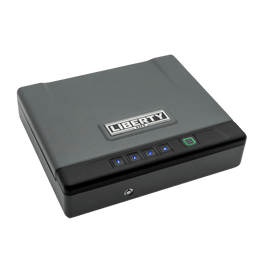

Security, access, and organization—built around real life, not guesswork
Responsible firearm readiness is less about “one perfect safe” and more about building a storage plan you’ll actually use every day. The best plan balances three needs: controlled access, protection from common home risks (fire and forced entry), and a layout that keeps your gear organized so you’re not rummaging when you’re trying to be efficient. This guide breaks down how to evaluate safe ratings, steel construction, fire protection, lock choices, placement, anchoring, and interior accessories—so your home setup supports responsible habits for the long haul.
Quick mindset shift: “Readiness” doesn’t mean making access easy for everyone. It means designing repeatable, responsible access for the right people, while keeping everything else protected and accounted for.
Main breakdown: What matters most when choosing a home gun safe
A solid buying decision usually comes down to five categories:
1) Burglary resistance (ratings + real-world installation)
Look for recognizable standards and then back them up with correct placement and anchoring. Many “gun safes” fall under UL’s Residential Security Container (RSC) category, which includes a timed attack test using common hand tools. UL describes the historical baseline as a five-minute attack test, and the standard was updated to include performance tiers. (ul.com)
2) Fire protection (what ratings really mean)
Fire labels are useful—but only if you understand the testing behind them. UL 72 is a well-known fire resistance standard for record protection equipment (with internal temperature limits like “Class 350”). (webstore.ansi.org)
3) Steel and construction (body, door, and locking system)
Steel gauge is not the whole story, but it’s a meaningful baseline when you’re comparing models within the same product family. Combine that with the door/boltwork design and a relock system that helps the safe stay secured under attack.
4) Lock type (how you actually access the safe)
Mechanical dial, electronic keypad, and biometric options each have pros and tradeoffs. Your best choice is the one that matches your daily routine and keeps access consistent without creating “workarounds.”
5) Interior setup (organization is part of readiness)
Lighting, shelf layout, and add-on organization tools don’t just “look nice.” They reduce handling time, keep items in consistent locations, and make it easier to do quick visual checks.
Context: Fire ratings, third-party testing, and why details matter
Fire protection is often described as “X minutes at Y°F,” but not all tests are equal. Many consumer safes use gypsum board (similar to drywall) as part of fire protection, and independent verification matters because construction details (seals, fit, material placement) affect performance. (nrafamily.org)
Also note: UL 72 is designed around record/media protection classes and includes defined performance targets for internal temperatures (for example, keeping interior temperature under 350°F for paper protection). (fireking.com)
Did you know? Quick facts that help you compare safes faster
RSC testing is timed while tools are actively attacking. UL’s RSC standard has historically been a five-minute tool attack using common hand tools, and the 2016 revision introduced tiers to help differentiate security levels. (ul.com)
Fire tests focus on interior temperature limits. A common benchmark for paper protection is staying below 350°F during the fire exposure, because paper chars at higher temps. (fireking.com)
Third-party labs exist beyond UL. Intertek/ETL is commonly referenced for performance verification and certification programs across many product categories, including fire-related testing services. (intertek.com)
A practical “responsible readiness” layout: safe + accessories that reinforce good habits
If you’re building a home setup that stays consistent week after week, treat your safe interior like a checklist:
Lighting: reduce handling time and mistakes
Good lighting helps you confirm placement quickly and keep everything accounted for—especially on a mobile-first schedule when you’re checking gear early or late. Consider an LED light kit designed for safe interiors, such as Liberty’s BrightView lighting kit or motion-sensor wand options.
Organization: “everything has a home” is a security feature
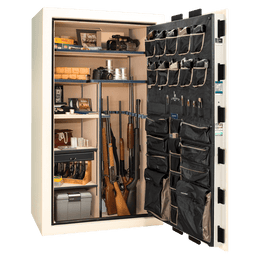
Add-ons like magazine holders and hangers help standardize where items go every time you open the door. If you use AR magazines or keep archery gear in the same safe, purpose-built organizers reduce clutter and prevent items from shifting.
Ammunition storage: keep it structured and consistent
If you prefer dedicated ammo storage, a purpose-built cabinet or lockable canister helps keep things sorted by caliber/load and makes inventory checks faster.
Step-by-step: How to choose a safe setup that supports responsible readiness
Step 1: Define “access” before you shop
Decide who needs access and how often. A safe that’s too inconvenient tends to create bad habits (items left out, cluttered staging, codes shared too widely). Choose a lock type and interior layout that fits your daily routine.Step 2: Compare security using meaningful categories
If you see UL RSC language, understand what it implies: the standard has historically involved a five-minute tool attack, with newer tiers intended to differentiate performance levels. (ul.com)Step 3: Treat fire protection as “time to respond,” not an invincibility badge
Look for clear time/temperature claims and credible testing language. UL’s fire-resistance classifications for record protection focus on internal temperature limits (like 350°F for paper). (fireking.com)Step 4: Plan placement and anchoring as part of the purchase
Your safe’s location impacts both security and day-to-day use. Many manufacturers recommend positioning away from obvious visibility lines (like windows) and considering overall traffic flow. Liberty Safe’s use-and-care resources emphasize choosing the right location for optimum security and usability.Step 5: Upgrade the interior so it stays organized under real life
Add lighting and a structure for gear (door organizers, mag holders, dedicated ammo storage). The goal is to minimize unnecessary handling and make it easier to keep items in their intended places.Optional comparison table: What to look at (and why it matters)
| Feature | What it affects | What to ask/check |
|---|---|---|
| Security rating language (e.g., UL RSC) | Baseline burglary resistance expectations | Is there a recognized standard? What tier/level is it built to? (ul.com) |
| Fire time/temperature | How long contents may remain below damaging internal temps | Is the testing standard clear (UL/ETL)? Is the interior temp limit defined? (fireking.com) |
| Door seals | Smoke/heat intrusion resistance during a fire event | Is there a heat-activated expanding seal listed in the specs? |
| Interior power + lighting | Faster access, less handling, better organization | Is there an outlet kit? Add-on LED lighting options? |
| Anchoring plan | Prevents movement and improves real-world security | What floor type? Where are studs/joists? Do you have clearance to drill/bolt down? |
Local angle: What “United States” buyers should prioritize
Across the United States, the most practical safe decisions tend to reflect common home styles and climates:
Humidity and temperature swings
Many regions see seasonal humidity changes. Planning for interior lighting and moisture management (plus consistent organization) can help keep your storage routine smooth year-round.
Garage vs. interior placement
Garages are convenient, but they can introduce bigger temperature swings and easier visibility during open-door moments. Interior placement often supports both discretion and consistency—especially if you’re trying to build repeatable habits.
Delivery and fit planning
Measure your doorway clearance and your intended pathway carefully before ordering. A safe that “almost fits” can lead to rushed compromises in placement (which is where many setups go wrong).
A concrete example: balancing fire protection, security, and everyday use
If you want a mid-level safe that aims for an everyday balance, Liberty Safe’s Colonial line is positioned around higher fire protection and upgraded security features. Liberty lists the Colonial with 75 minutes of Cool Box™ fire protection at 1200°F, and provides construction details like steel gauge and locking-bar configuration by size. (libertysafe.com)
Need help choosing the right safe and accessories for your home setup?
If you’re comparing sizes, lock options, fire protection levels, or you want guidance on lighting and organization upgrades, Liberty Safe’s team can point you to a configuration that fits your space and your daily routine.
FAQ: Responsible firearm readiness & home safe selection
What does “UL RSC” mean in plain language?
RSC stands for Residential Security Container. UL describes the historical baseline as a five-minute attack test using common hand tools, and the standard was revised to add tiers so products can be differentiated by security performance. (ul.com)
Are “minutes at temperature” fire ratings comparable across brands?
Not always. Testing methods vary, and not every rating is independently verified. It’s smart to look for clear test documentation and recognized third-party testing language, and to pay attention to door seals and overall construction—not just a single number. (nrafamily.org)
Is a bigger safe always the better choice?
Bigger can be better if it allows comfortable organization (so items aren’t stacked or shifting). But the “best” safe is the one that fits your space, can be installed properly, and supports consistent, responsible access.
How do I make safe access consistent without making it sloppy?
Focus on repeatability: a lock type you’re comfortable using, a clear interior layout, and strong lighting so you can confirm placement quickly. Interior organization reduces unnecessary handling and helps keep everything where it belongs.
Where can I get help if I’m stuck between two sizes or features?
Liberty Safe’s support team can help you compare layouts, delivery constraints, and accessory options based on your home and goals.
Glossary (plain-English)
RSC (Residential Security Container)
A UL category commonly associated with many consumer “gun safes,” involving timed tool-attack testing; UL notes a historical five-minute baseline and updated tiers to differentiate performance. (ul.com)
UL 72
A UL fire-resistance standard for record protection equipment, commonly referenced for fire-rated safes, with classifications based on maximum internal temperature (like 350°F for paper protection). (webstore.ansi.org)
Gypsum board fire lining
A common fire-protection material used inside many safes (similar to drywall). Performance depends on the overall safe design and sealing—not just the number of layers. (nrafamily.org)