


Keep your firearms clean, dry, and ready—without turning maintenance into a weekend project
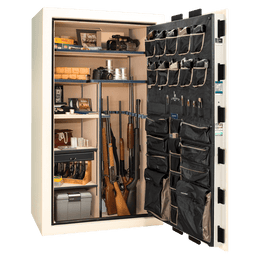
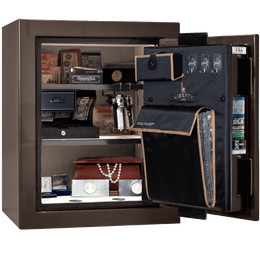
Seasonal changes are when most owners notice the same problems: surface rust starting “out of nowhere,” light corrosion on small parts, and that musty smell that signals moisture is hanging around. A smart routine pairs basic cleaning with humidity control and organized safe habits. This guide lays out an easy, repeatable checklist built for real life—especially for owners who store firearms in a home or gun safe and want dependable protection year-round.
Why “seasonal” maintenance matters more than you think
Firearm rust prevention is less about one perfect product and more about managing humidity swings and temperature changes. When warmer, humid air meets cooler metal, condensation can form on surfaces—even in places that “feel” dry. That’s why many owners see issues in shoulder seasons (spring and fall), or during winter when indoor heating changes how moisture behaves.
Two goals to keep front-and-center
A seasonal firearm maintenance checklist (simple, repeatable)
Use this as a baseline routine. If you shoot more often, shorten the interval. If your home is humid or you store gear in a basement, keep the seasonal steps but add quick monthly checks.
Every season (4x per year): 20–40 minutes per firearm
Monthly (5 minutes): quick safe check
Humidity control inside a safe: what actually helps
Most rust prevention “wins” come from consistent moisture control. Many owners use either desiccants (like silica gel) or an electric dehumidifier/heater rod approach. Desiccants can absorb moisture and are often reusable, with color-change indicators that show when they’re saturated. (safendryproducts.com)
Practical placement tips
Note on “fireproof” claims: reputable guidance often emphasizes that no safe is completely fireproof—fire ratings describe performance under specific test conditions and time limits. (safeandvaultstore.com)
Did you know? Quick facts that help you store smarter
Quick comparison table: seasonal approach by environment
| Storage Environment | Best Routine | Extra Tip |
|---|---|---|
| Climate-controlled home, interior wall | Seasonal + monthly quick check | Wipe down after handling |
| Basement (higher humidity risk) | Seasonal + biweekly moisture checks | Prioritize active moisture control and airflow |
| Garage/outbuilding (temperature swings) | Seasonal + frequent inspections | Move to interior space when possible |
Make your safe easier to use (and easier to maintain)
Seasonal maintenance works best when your storage is organized and visible. If you can quickly see contact points, corners, and shelving edges, you’ll catch early rust signs faster and finish wipe-downs in minutes—not hours.
Lighting helps more than people expect
Better interior lighting makes inspection faster and helps you avoid bumping finishes when loading or unloading. If you want an easy upgrade, consider a purpose-built safe lighting kit such as Liberty’s Brightview Safe Light Kit or the Clearview Electrical LED Wand Light Kit.
Keep a “maintenance corner” inside the safe
Store a small microfiber cloth and your preferred protectant in a consistent spot (separate from firearms). The easier it is to do a wipe-down, the more likely it happens.
For Liberty Safe owners looking for manuals, placement tips, and care basics, the Gun Safe Use and Care page is a helpful reference.
United States storage angle: plan for region-to-region humidity
In the U.S., storage conditions vary widely. Coastal areas and the Southeast often deal with persistently higher humidity, while Mountain West winters can produce big indoor/outdoor temperature gaps. If you travel between climates (hunting trips, seasonal cabins, range days across state lines), consider doing a quick wipe-down and inspection when you return—especially if gear moved from cold to warm environments.
A good rule: if your home HVAC is running hard (heating or cooling season), it’s a cue to do your 5-minute safe check.
Want help choosing a safe setup for your storage space?
Whether you’re optimizing humidity control, planning placement, or upgrading the inside of your safe for better organization, Liberty Safe can point you to options that fit your needs.
Contact Liberty SafeFAQ: Seasonal firearm maintenance & safe storage
How often should I oil firearms that stay in a safe?
A thin protective film refreshed seasonally is a solid baseline for most owners, plus quick wipe-downs after handling. If your area is humid, increase inspection frequency and focus on moisture control inside the safe.
Does a fire rating also mean waterproof?
Not automatically. Many references note that fire-rated safes are not necessarily waterproof unless they have been specifically tested for water resistance. (safeandvaultstore.com)
What do UL Class 350 and UL Class 125 mean?
They refer to the maximum internal temperature the safe is designed to stay under during the rated fire test period. Class 350 is commonly associated with paper document protection, while Class 125 is intended for more heat-sensitive media. (safesandmore.com)
Where should I place my safe for better storage conditions?
Many owners prefer an interior wall location to reduce temperature swings. Keeping the safe away from areas with volatile conditions (like garages and attics) can also help. (nrafamily.org)