


A smart way to protect the stories behind your hunt—without turning your home into a museum
Hunting trophies and memorabilia aren’t just “stuff.” They’re the photo you didn’t take because your hands were cold, the tag you kept because you earned it, the letters from a mentor who taught you the right way, and the small items that tell the whole story years later. The challenge is that many keepsakes are vulnerable to moisture, heat swings, light exposure, and everyday household risks. A quality home safe can be an excellent layer of protection—especially for the items that are irreplaceable or difficult to restore.
Quick note on scope: This guide focuses on storing hunting memorabilia (paperwork, small keepsakes, photos, medals, tags, coins, knives/tools, optics accessories, small heirlooms) inside a home safe, plus practical environmental control. For large taxidermy mounts and oversized antlers, the safe is typically best used to protect supporting documentation, high-value accessories, and smaller pieces.
1) What belongs in a home safe vs. on display?
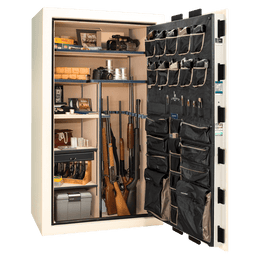
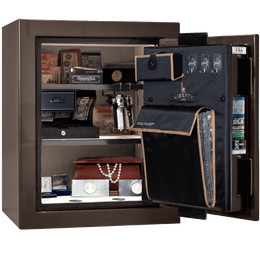
Think of your home safe as your “archive,” and your trophy room or display wall as your “gallery.” The archive is where you store items that (a) are difficult to replace, (b) are sensitive to humidity and light, or (c) are valuable enough that you’d lose sleep if they went missing.
Great candidates for safe storage
License stubs & tags, hunt journals, maps/permits, taxidermy receipts, photos (prints & negatives), small awards/coins/patches, heirloom knives, optics accessories, commemorative items, hard drives/USBs with hunt footage, and family paperwork tied to the tradition.
Better on display (with protections)
Full mounts, shoulder mounts, European mounts, large antlers/horns. For these, focus on stable room conditions, gentle dusting, and avoiding direct sunlight. Many taxidermists recommend keeping indoor humidity in a moderate range (often around 40–60%). (collettswildlifeartistry.com)
2) The two biggest threats inside a safe: humidity and compression
Humidity: A safe is a sealed space, which is great for security—yet it also means moisture can linger if you don’t manage it. That can affect paper, leather, some metals, and certain adhesives over time.
Compression: Stuffing keepsakes into a pile can crease photos, warp patches, and scuff finishes. Organizing with the right containers turns a safe from “storage” into “preservation.”
Compression: Stuffing keepsakes into a pile can crease photos, warp patches, and scuff finishes. Organizing with the right containers turns a safe from “storage” into “preservation.”
3) A practical humidity-control setup (simple, reliable, and low-maintenance)
For many households, a “set it and forget it” approach works best: combine one monitoring tool (a hygrometer) with one continuous moisture-control tool.
Option A: Dehumidifier rod (plug-in)
A dehumidifier rod warms the air slightly and creates a gentle convection current, helping reduce condensation and mildew risk in enclosed spaces. This style is commonly used in safes because it’s continuous and low effort. (lockdown.com)
Best practice: Pair it with a small hygrometer so you can confirm the environment is staying where you want it—especially across seasons.
Option B: Desiccant (rechargeable or replaceable)
Desiccant can be great for smaller safes, closets, or areas where you don’t want to run power. The tradeoff is maintenance—you must recharge or replace it on schedule. A hygrometer helps you know when it’s time.
Tip: If you use desiccant alone, set a recurring reminder so it doesn’t get forgotten.
Humidity target (rule of thumb): Many taxidermy care guides recommend moderate indoor humidity (often roughly 40–60%, with some sources narrowing to about 40–55% for mounts). (collettswildlifeartistry.com)
Inside a safe, the “right” number depends on what you store (paper, leather, wood, metal). The key is stability: avoid big swings, and keep items off the floor of the safe where temperature can stratify.
Inside a safe, the “right” number depends on what you store (paper, leather, wood, metal). The key is stability: avoid big swings, and keep items off the floor of the safe where temperature can stratify.
4) How to organize hunting memorabilia inside a safe (so it stays pristine)
Use a layered approach:
Layer 1 (Protection): acid-free folders or archival sleeves for paper/photos; soft pouches for metal keepsakes; small hard cases for delicate items.
Layer 2 (Containment): labeled document boxes or zipper binders that fit your shelves. Keep categories separate (tags & licenses, photos, patches/coins, knife paperwork, etc.).
Layer 3 (Placement): store flat items on shelves (not leaned), keep heavier items low, and leave a little airflow around humidity-control devices.
Lighting matters: If you access your safe often, interior lighting makes it easier to stay organized and avoid accidental scuffs. If you want a clean add-on, consider purpose-built safe lighting options like Liberty Safe’s LED kits:
5) Did you know? Quick facts that help you buy smarter
Many “gun safes” are classified as Residential Security Containers (RSCs): UL’s RSC standard evolved into tiered/attack-level performance criteria to help differentiate security levels. (ul.com)
Dehumidifier rods work by warming air slightly: That warmth helps circulation and reduces condensation risk in an enclosed safe environment. (lockdown.com)
Taxidermy preservation is about stability: Multiple taxidermy care sources emphasize moderate humidity and avoiding extremes to reduce cracking, fading, or mold concerns. (collettswildlifeartistry.com)
6) Comparison table: choosing a safe setup for memorabilia
| Storage goal | Best safe features to prioritize | Add-ons that help | Organization tip |
|---|---|---|---|
| Paper tags, permits, photos | Shelving, smooth interior, consistent environment | Hygrometer + dehumidifier rod or desiccant | Store flat in labeled archival folders |
| Coins, medals, patches | Small drawers/bins, soft lining where possible | LED interior lighting for easy access | Use small dividers to prevent scuffing |
| Knife/heirloom tool + provenance | Lock reliability, interior layout that separates metal from paper | Humidity control + protective pouches | Store tool and paperwork together in a labeled kit |
| Digital footage & backups | Consistent environment, small-item storage | USB/SSD case + an index card inventory | Keep a simple “what’s on this drive” list |
7) United States angle: seasonal changes are the real test
Across the United States, indoor conditions can swing dramatically: humid summers, dry winters, and big temperature changes between day and night in some regions. That’s why a “set it once” approach can drift over time.
A simple seasonal checklist
1) Check your hygrometer when you change your smoke alarm batteries or HVAC filter.
2) Make sure nothing blocks airflow around your humidity-control device.
3) Confirm paper items are stored flat and not pressed against the safe wall.
4) If you store leather (slings, gloves, pouches), keep it in breathable bags and away from direct heat sources inside the safe.
Want help choosing a safe setup for your trophies, tags, and keepsakes?
Tell us what you’re storing (paper, metal, heirlooms, digital media), where you live, and whether you have power available. We’ll help you plan a clean, organized approach that fits your space.
FAQ: Protecting hunting trophies & memorabilia with a safe
What’s the best humidity level for storing memorabilia inside a safe?
A stable, moderate range is the goal. Many taxidermy care resources recommend roughly 40–60% humidity for the room environment, with some guidance narrowing to about 40–55% to reduce moisture issues. (collettswildlifeartistry.com) For safes, use a hygrometer and aim for consistency—especially if you store paper and leather.
Do dehumidifier rods actually work in a safe?
Yes, they can be effective because they slightly warm the air and create circulation, which helps reduce condensation risk inside an enclosed safe. (lockdown.com) They’re popular because they run continuously with very little upkeep.
Should I store photos and paper tags in plastic bags?
For long-term preservation, archival sleeves and acid-free folders are often a better choice than random household bags, which can trap moisture or transfer chemicals over time. Store paper flat, label it clearly, and keep it away from the safe floor.
Can I store antlers or a European mount inside a safe?
Many full-size trophies are too large for typical safes. A better plan is to display the trophy in a stable indoor environment and store the high-value “supporting items” (tags, photos, certificates, receipts, and small keepsakes) in the safe.
What’s one upgrade that makes safe storage easier day-to-day?
Interior lighting. It sounds simple, but it reduces fumbling, helps you stay organized, and makes it easier to keep paper items flat and separated. If you want a purpose-built option, Liberty Safe offers LED light kits designed for safe interiors (including motion-sensor kits).
Glossary (plain-English)
Hygrometer
A small device that measures humidity (moisture in the air). It’s the simplest way to confirm the environment inside your safe is staying stable.
Desiccant
A moisture-absorbing material (often silica gel) used to reduce humidity in an enclosed space. Some types are rechargeable.
Dehumidifier rod
A plug-in device placed inside a safe that warms air slightly to promote circulation and reduce condensation risk. (lockdown.com)
RSC (Residential Security Container)
A security classification commonly associated with many home/gun safes. UL’s RSC standard includes performance criteria intended to help differentiate security levels. (ul.com)