

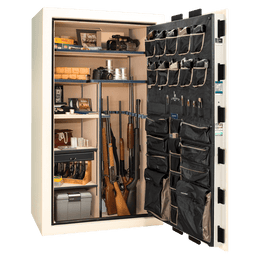
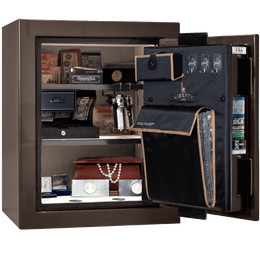


Securing More Than Just Valuables: Keeping Curious Hands Safe
As a responsible homeowner, investing in a high-quality safe is a significant step towards protecting your valuables and firearms. It demonstrates foresight and a commitment to security. However, true home safety extends beyond just owning a safe; it involves implementing robust access control measures, especially in a household with children. A safe is designed to keep unauthorized individuals out, and this includes the naturally curious children who live under your roof. This guide provides practical, essential strategies for childproofing your safe, ensuring it remains an asset for protection, not a potential hazard.
Effective childproofing is about creating layers of security that work together to prevent access. It’s about being proactive and understanding that a child’s inquisitiveness is a powerful force. By combining the right locking technology with smart placement and consistent household rules, you can achieve peace of mind knowing your most sensitive items are secure from everyone, including the smallest members of your family.
Choosing the Right Locking Mechanism for Your Family
The lock on your safe is the primary barrier to entry. Different mechanisms offer varying levels of convenience and security against unauthorized access. Understanding these differences is key to selecting a truly childproof safe.
Mechanical Dial Locks
The classic combination lock is a time-tested solution. It requires no batteries and is incredibly durable. For child safety, its complexity is a major advantage. It is nearly impossible for a young child to guess or manipulate the multi-number sequence required to open it. The primary vulnerability lies in how the combination is stored. It must never be written down on or near the safe.
Electronic Keypad Locks
Electronic locks offer quick and easy access for adults. From a childproofing perspective, their strength comes from features like penalty lockouts, which disable the keypad for a set period after several incorrect attempts. This feature effectively thwarts a child's attempts to guess the code. As with a mechanical lock, the code’s secrecy is paramount. Choose a non-obvious code and ensure it is not stored anywhere a child might find it.
Biometric Locks
For the ultimate in access control, biometric locks are unmatched. Using fingerprint recognition, these locks ensure that only registered users can open the safe. Because a child's fingerprint will not be programmed, this method provides a nearly foolproof barrier. It eliminates the risk of a discovered key or a compromised combination. For households with children, a biometric scanner offers the highest level of assurance. To learn more about how these work, you can review our biometric lock video tutorials.
| Feature | Mechanical Dial | Electronic Keypad | Biometric |
|---|---|---|---|
| Child Resistance | High (difficult to manipulate) | Very High (penalty lockout) | Highest (unique fingerprint required) |
| Speed of Access | Slow | Fast | Fastest |
| Power Source | None required | Battery | Battery |
| Primary Vulnerability | Combination being found | Code being seen or found | None, short of system failure |
Best Practices for Securing Your Safe at Home
1. Safeguard Your Combination, Code, or Key
This is the golden rule of safe ownership. Never store your override key inside the safe or leave your combination on a sticky note attached to it. Store backup keys or written combinations in a secure, off-site location, such as a bank deposit box or with a trusted family member. The goal is to make it impossible for a child to stumble upon the access credentials.
2. Place Your Safe Strategically
Where you put your safe is nearly as important as the safe itself. "Out of sight, out of mind" is a good principle to follow. A master bedroom closet, a home office, or a basement are generally better locations than a high-traffic garage or living room. For smaller, more discreet options, consider specialized closet safes designed to fit into standard spaces, keeping them hidden from casual view.
3. Always Bolt It Down
Anchoring your safe to the floor provides two key safety benefits. First, it prevents theft by making it impossible for someone to simply carry the safe away. Second, and critically for child safety, it prevents the safe from tipping over. A heavy, unanchored safe can be a serious toppling hazard for a child who might try to climb on it. For more details, consult a guide on proper gun safe use and care.
4. Educate Your Children Appropriately
Open communication is a vital part of home safety. Teach your children that the safe is not a toy and is strictly off-limits, just like a hot stove or power tools. The conversation doesn't need to be scary or overly detailed about the contents. The message should be simple and firm: "This is for adults only and you are never to touch it."
Did You Know?
- The internal hinges on many high-quality safes not only offer better pry-attack protection but also reduce external pinch points, making them safer in a home with small children.
- Proper fire protection in a safe is achieved through expanding door seals, which can also help keep moisture out, protecting sensitive documents and electronics.
- Many safe owners find our Gun Safe Quiz helpful in narrowing down the perfect size and style of safe for their specific needs, including family safety considerations.
An American Standard of Responsibility
Across the United States, families rely on strong, dependable security to protect what matters most. Responsible safe ownership has become a cornerstone of modern home safety. Choosing a product built with integrity and strength, like an American-made safe, is more than a purchase—it's an investment in your family's well-being. By taking these extra childproofing steps, you are upholding the highest standard of care and responsibility, ensuring your home remains a safe environment for everyone.
Ready to Enhance Your Home's Safety?
Our team is here to help you find the perfect safe with the right access control features for your family. Contact us today to discuss your security needs.
Contact Our Safety ExpertsFrequently Asked Questions
What is the most child-resistant type of safe lock?
A biometric (fingerprint) lock is generally considered the most child-resistant because it requires a unique physical trait that a child does not have. Electronic keypads with penalty lockout features are also an excellent choice.
Where is the worst place to put a safe if I have children?
The worst places are easily accessible, high-traffic areas where children frequently play, such as a living room, playroom, or an unlocked garage. These locations increase the chances of a child becoming curious about the safe.
I lost my safe's combination or key. What should I do?
If you own a Liberty Safe, we have a secure process to help you recover your combination or get a replacement key. You can start the process by visiting our Combination & Key Request page. Never try to force the safe open yourself.
Should I tell my children what is inside the safe?
It is generally advised not to detail the contents of the safe to young children, as this can heighten their curiosity. The focus should be on establishing a clear and simple rule: the safe is a tool for adults and is always off-limits for them.
Glossary of Terms
Access Control: The selective restriction of who is allowed to open a safe or access its contents. In this context, it refers to measures that prevent unauthorized users, particularly children.
Biometric Lock: A security device that uses unique biological characteristics, such as a fingerprint, to verify a user's identity before unlocking.
Penalty Lockout: A security feature found on many electronic safe locks that deactivates the keypad for a predetermined amount of time after multiple incorrect code entries have been made.
Anchoring: The process of physically securing a safe to a solid surface, typically a concrete floor, using heavy-duty bolts to prevent it from being moved or tipped over.