

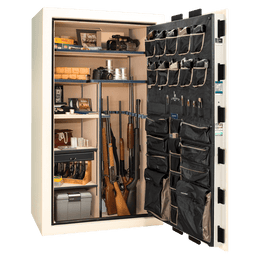
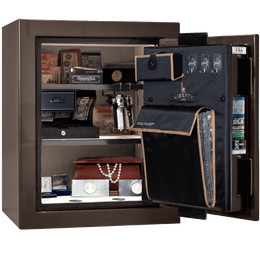
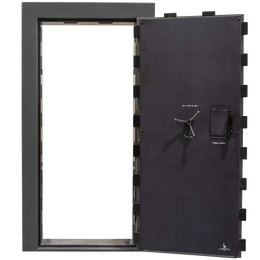


A safer home can also be a quieter home
Hidden safe rooms and concealed installs aren’t only about “secret doors.” Done well, they’re a thoughtful blend of secure construction, smart access, and day-to-day usability—so your most important valuables (and your peace of mind) aren’t on display. This guide breaks down what makes a concealed safe room work, what to plan before you build, and how to keep the design discreet while still being practical for real life.
What “hidden safe rooms + concealed installs” really means
A hidden safe room is a hardened space inside (or adjacent to) a home that’s intentionally designed to be difficult to identify and harder to breach. A concealed install typically refers to the way the entry, door hardware, and surrounding finish work are integrated so the room blends into normal architecture—often behind a bookcase, cabinetry panel, closet system, or purpose-built wall section.
Many homeowners also want the safe room to serve double-duty: as a valuables room, document/fire storage area, or a secure staging space for important items. If you’re aiming for “hidden,” the best results come from treating concealment as a layer—not the entire security plan.
Many homeowners also want the safe room to serve double-duty: as a valuables room, document/fire storage area, or a secure staging space for important items. If you’re aiming for “hidden,” the best results come from treating concealment as a layer—not the entire security plan.
Start with the “why”: the 3 most common design goals
1) Discretion (reducing visibility and curiosity): Your goal is to avoid obvious tells—odd trim breaks, unusual swing clearances, exposed hinges, or a “door that doesn’t match.”
2) Access that works under pressure: Concealment should not create a daily hassle. The entry needs to open reliably, quickly, and safely for authorized users.
3) Real protection through real construction: The room should be designed around sound principles: anchoring, structural connections, door/frame integrity, and appropriate ventilation. For extreme-wind safe rooms (storm shelter use), FEMA guidance is a widely referenced baseline for design criteria. (fema.gov)
Core elements of a concealed safe room (what matters most)
Door + frame + locking engagement
A concealed vault door is more than a slab. The real strength comes from how the door, frame, and locking mechanism engage and distribute force. Concealed designs often aim to minimize visible external hardware while keeping the locking work internal. (hiddenpassageway.com)
A concealed vault door is more than a slab. The real strength comes from how the door, frame, and locking mechanism engage and distribute force. Concealed designs often aim to minimize visible external hardware while keeping the locking work internal. (hiddenpassageway.com)
Anchoring and structural continuity
If the room is intended as an extreme-wind refuge, anchoring to the foundation and continuous load paths are major considerations. FEMA safe room guidance centers on debris resistance, wind pressures, and robust anchoring details. (fema.gov)
If the room is intended as an extreme-wind refuge, anchoring to the foundation and continuous load paths are major considerations. FEMA safe room guidance centers on debris resistance, wind pressures, and robust anchoring details. (fema.gov)
Ventilation + power planning
A tight room still needs breathable air and a plan for lighting. Even for “valuables-first” rooms, you’ll want a realistic approach to ventilation, battery-powered lighting redundancy, and a clean way to run power without advertising the room’s footprint.
A tight room still needs breathable air and a plan for lighting. Even for “valuables-first” rooms, you’ll want a realistic approach to ventilation, battery-powered lighting redundancy, and a clean way to run power without advertising the room’s footprint.
Interior usability
Shelving depth, aisle clearance, dehumidification strategy, and lighting placement determine whether the room is used consistently. A secure space that’s frustrating to access becomes a space people avoid.
Shelving depth, aisle clearance, dehumidification strategy, and lighting placement determine whether the room is used consistently. A secure space that’s frustrating to access becomes a space people avoid.
Did you know? Quick facts homeowners miss
Safe rooms have published engineering guidance. FEMA P-320 and FEMA P-361 are commonly referenced for residential and community safe room criteria. (fema.gov)
Closets and small interior rooms are often practical locations. Building-science guidance notes that interior rooms without windows can be well suited for dual-purpose safe room use (depending on goals and design). (basc.pnnl.gov)
Space planning is measurable. For storm shelter safe rooms, recommended floor area per occupant varies by event type and duration (short-duration tornado vs. longer-duration hurricane scenarios). (basc.pnnl.gov)
Planning table: concealed safe room priorities (choose what to optimize)
| Priority | What it affects | Common homeowner decision | Design tip |
|---|---|---|---|
| Concealment | How “invisible” the entry looks in daily life | Bookcase vs. closet panel vs. millwork wall | Match surrounding trim reveals, finishes, and swing clearances |
| Speed of access | How quickly authorized users can enter | One-step vs. multi-step concealed triggers | Avoid “puzzle-door” mechanisms; prioritize reliability |
| Structural protection | How the room performs under impact/loads | Retrofit vs. purpose-built reinforcement | If storm refuge is a goal, reference FEMA safe room criteria early (fema.gov) |
| Day-to-day storage | Organization, lighting, humidity control | Bare room vs. finished interior | Plan lighting and power so it doesn’t “announce” the room |
Step-by-step: how to plan a concealed install (homeowner-friendly)
1) Pick the function first: valuables room, storm refuge, or both
If the room is intended to meet storm safe room performance, you’ll want the design to align with recognized safe room guidance early in the process (not after finishes are chosen). (fema.gov)
2) Choose the location based on travel distance and daily traffic
Interior locations often work well for concealment because they reduce exposure and visibility. Building-science guidance for storm shelters emphasizes accessibility and quick reach from within the home. (basc.pnnl.gov)
3) Design the “mask” (bookcase, panel, closet build-out) to look normal
Concealment works best when it feels boring. Match surrounding trim, keep reveals consistent, and avoid unusual gaps. Many concealed vault door concepts minimize visible external hardware and rely on internal mechanisms to keep the exterior looking like a standard door or built-in. (hiddenpassageway.com)
4) Plan lighting and visibility so the room is usable
A concealed space shouldn’t be a dark space. Interior lighting upgrades can make a major difference in daily use—especially for quick retrieval and organization. Consider motion-activated options for convenience, and keep wiring tidy and intentionally routed.
Helpful add-ons from Liberty Safe:
- Gun Safe LED Light Kit for clean, bright visibility inside secure storage.
- Auto On/Off Motion Sensor LED Wand Kit for hands-free lighting when you open the space.
- Clearview Multicolor Lights if you want better visual separation for zones and shelves.
5) Confirm basic life-safety considerations (discreetly)
Any enclosed, hardened space should be planned responsibly—think ventilation, egress strategy, and smoke alarm coverage consistent with common residential placement guidance. (Many standards reference NFPA 72 concepts such as alarms on each level and near sleeping areas.) (regulations.justia.com)
United States homeowner angle: what to think about before you build
Across the United States, the “right” concealed safe room plan depends heavily on your home’s construction type (slab-on-grade, crawlspace, basement), regional weather risks, and the practical realities of permitting and inspection in your area. FEMA guidance is often used as a reference point for extreme-wind safe room concepts, and some states and local programs even promote FEMA-aligned safe room approaches. (fema.gov)
If you’re aiming for a concealed install that also functions as a storm refuge, it’s worth treating the project like a small structural build: get clarity on performance goals, then design the concealment around those requirements—not the other way around.
If you’re aiming for a concealed install that also functions as a storm refuge, it’s worth treating the project like a small structural build: get clarity on performance goals, then design the concealment around those requirements—not the other way around.
Want a concealed security plan that fits your home layout?
If you’re considering a hidden safe room, a vault door, or a concealed storage approach, Liberty Safe can help you think through practical options—size, access style, and day-to-day usability—so the final result protects what matters without drawing attention.
FAQ: Hidden safe rooms & concealed installs
Is a hidden door enough security by itself?
Concealment is a helpful layer, but lasting protection comes from the door/frame construction, the way it anchors into the structure, and the quality of the locking engagement. Think “layers,” not a single trick.
Can a concealed safe room be used as a storm safe room?
Potentially, yes—but only if it’s designed and constructed to meet the intended performance criteria. FEMA publications are commonly referenced for extreme-wind safe room guidance, including debris impact resistance and anchoring concepts. (fema.gov)
Where do concealed installs usually work best inside a home?
Interior areas with normal built-ins (closets, shelving, storage rooms) often provide good cover for discreet entries, and they can be easier to keep out of view from guests and service traffic.
What makes a concealed install look “obvious”?
Mismatched trim, unusual gaps, a panel that doesn’t align with other doors, or a built-in that changes depth for no reason. The most convincing concealment looks consistent—like it’s always been there.
How do I make the inside usable day-to-day?
Plan lighting first, then shelving and zones (documents, valuables, accessories). A well-lit interior reduces fumbling and keeps items organized—especially in tight spaces.
Glossary (plain-English)
Concealed install: A build approach where the entry and surrounding finish work blend into standard cabinetry/trim so the secure space isn’t obvious.
FEMA P-320 / P-361: FEMA guidance documents commonly referenced for residential and community safe room criteria and performance concepts. (fema.gov)
Load path: The “route” forces take through a structure (from roof/walls into the foundation). Continuity matters when designing hardened rooms.
Lock engagement: How and where the door’s locking mechanism secures into the frame (important for resistance and long-term alignment).
Debris impact resistance: A performance concept for storm safe rooms—ability to withstand wind-borne debris impacts as outlined in safe room guidance. (fema.gov)
Explore Liberty Safe options for home and secure storage needs here: Liberty Safe — Home, Fire, and Gun Safes.