


Planning Your Peace of Mind: Incorporating a Safe into Your Remodel
A home renovation is an exciting time of transformation. As walls come down and new spaces take shape, you have a unique opportunity to build not just a more beautiful home, but a more secure one. Integrating a safe during a remodel is one of the smartest decisions a homeowner can make. Instead of trying to find a spot for a large, heavy object in a finished home, you can seamlessly weave it into the very fabric of your new design. This forward-thinking approach transforms a security measure from a bulky afterthought into a discreet and highly effective part of your home's infrastructure.
Planning for a safe installation during the construction phase allows you to address critical factors like structural support, concealment, and even electrical access for lighting and climate control. It's the perfect moment to think about your long-term security needs and build a solution that is both practical and elegantly hidden from view.
Beyond the Bolt-On: The Advantages of Planned Integration
Choosing to incorporate your safe during a renovation unlocks a level of security and convenience that is difficult to achieve later. When you plan ahead, you can move beyond simply finding a corner and instead create a truly integrated security hub.
Superior Concealment
During a remodel, you can build custom cabinetry, false walls, or recessed nooks designed specifically for your safe's dimensions. This allows for concealment that is virtually invisible to the casual observer, providing an essential layer of protection.
Optimal Structural Support
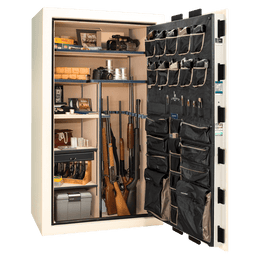
Safes can be extremely heavy. A renovation provides the ideal chance to reinforce floor joists or pour a dedicated concrete pad, ensuring your home can easily support the weight. This is especially crucial for larger models like those in the Collector Series, which are designed for serious collectors and require a solid foundation.
Integrated Utilities
Modern safes benefit from electricity. Planning allows an electrician to run power directly to the safe's location. This is perfect for installing an interior gun safe LED light kit, which illuminates your valuables, or a dehumidifier to protect sensitive documents and firearms from moisture damage.
Thinking Outside the Box: Top Spots for Your Safe During a Renovation
With the freedom to modify your floor plan, you can get creative with placement. Here are some of the most effective and popular renovation-friendly safe placement options:
The Custom Master Closet
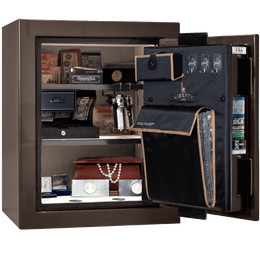
A walk-in closet is a prime location. During renovation, you can design a custom cabinet system that seamlessly encloses the safe, making it look like part of the organizational structure. This keeps it both hidden and conveniently accessible. Specially designed closet safes are built to fit standard closet dimensions, making integration even easier.
The Integrated Home Office
A home office is a natural fit for securing important documents and electronics. Consider building your safe into a wall of custom bookshelves or recessing it behind a piece of art. It can be bolted to the floor and studs before the final cabinetry and drywall are installed for maximum security.
The Basement or Foundation
For ultimate security, nothing beats a concrete slab. If you're finishing your basement, you can create a dedicated, secure space or utility room for your safe. Bolting a safe directly to concrete makes it nearly impossible for a thief to remove.
The Workshop or Garage
This is a practical choice for storing firearms, tools, and ammunition. Placing a safe in the garage, especially when bolted to the concrete floor, offers excellent security. You can build a workbench or storage cabinets around it to keep it out of sight. It's also the perfect place for a dedicated ammo cabinet to keep supplies organized and secure.
Essential Planning Steps for Your Safe Installation
To ensure a smooth process, coordinate with your contractor and follow these key steps:
- Finalize Your Choice Early: Select your safe model before construction begins. Your contractor needs the exact dimensions and weight to prepare the space and any necessary structural supports. Not sure where to start? Our gun safe quiz can help you find the perfect fit.
- Plan the Delivery Path: A safe has to get from the truck to its final location. Measure every doorway, hallway, and staircase along the path. It's much easier to widen a door frame during renovation than after the paint is dry.
- Schedule Professional Installation: Moving and installing a safe is not a DIY job. Coordinate with a professional delivery team that has the right equipment and expertise. Learn more about getting your new safe in your home to understand the process.
American-Made Security for Your American Home
When you're investing in a significant home renovation, you want every component to be of the highest quality. That same principle should apply to your safe. Liberty Safe is proud to be America's number one home and gun safe manufacturer, building our products right here in the United States. This commitment to domestic manufacturing ensures superior craftsmanship, high-quality materials, and a level of reliability trusted by millions of homeowners. Choosing a Liberty Safe means you're not just securing your valuables—you're investing in lasting peace of mind backed by American quality.
Ready to Find the Perfect Safe for Your Project?
A renovation is the perfect time to build in the ultimate protection. Our team of experts is here to help you choose the right safe and plan its perfect integration into your new space.
Contact an Expert TodayFrequently Asked Questions
What's the best location to install a safe?
The best location offers a balance of security, concealment, and accessibility. Ideally, it should be in an area that isn't immediately obvious, is structurally sound enough to support the weight, and allows you to bolt the safe to the floor. Basements on a concrete slab are excellent, as are well-designed master closets.
Do I need to bolt down my safe?
Yes, absolutely. Bolting your safe to the floor is the single most important step after purchase. It prevents thieves from being able to tip the safe over to gain better leverage for prying, or from removing it from your home to open it elsewhere. All Liberty Safes come with pre-drilled holes for anchoring.
Can I install a safe on an upper floor?
Yes, but it requires careful planning. You must ensure the floor joists can support the concentrated weight of the safe. Placing it in a corner where it's supported by two walls or directly over a load-bearing wall is recommended. During a renovation, your contractor can add reinforcements to the floor structure to safely accommodate the weight.
What is the importance of a safe's fire rating?
A safe's fire rating indicates how long the internal temperature will remain below a certain point (typically 350°F) during a standard fire. For example, a safe like the Colonial Series with a 75-minute rating is certified to protect its contents for at least that duration, which is critical for protecting paper documents, photos, and other valuables that can be destroyed by heat.