

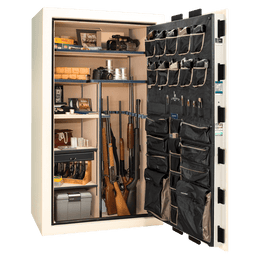
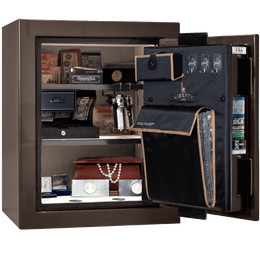
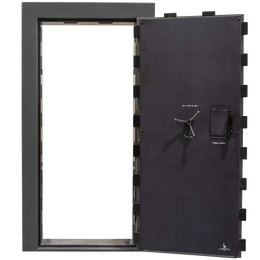
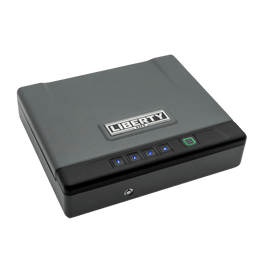

A practical guide for builders and homeowners who want a smoother close, fewer “where do I put it?” questions, and stronger peace-of-mind features built into the move-in experience.
A small upgrade that feels like a big promise
The best “new home builder partnership stories” share the same theme: buyers don’t just remember granite and paint colors—they remember the moments that made the home feel protected, organized, and truly theirs. For many households, secure storage is one of those moments. A thoughtfully selected safe (plus the right setup guidance) can turn move-in week from chaotic to confident—especially for families storing important documents, heirlooms, and specialized sporting equipment.
Why builder partnerships around secure storage are gaining traction
Builders are increasingly looking for options that improve homeowner satisfaction without creating complicated warranty or service headaches. When secure storage is approached as a “handoff-ready” feature—clear placement plan, climate considerations, and anchoring guidance—it fits naturally into the final walkthrough.
What buyers actually ask after move-in
“Where should it go so it’s out of sight?”
Placement matters for both daily convenience and discretion.
“Will it be okay in a garage or unfinished space?”
Humidity swings are real—setup advice prevents long-term issues.
“How do I anchor it correctly?”
Anchoring is often the most overlooked step—and one of the most important.
The “ratings” conversation: what to explain clearly (without overwhelming buyers)
Partnerships work best when buyers get straight talk: security ratings and fire protection claims are not all measured the same way across the industry. One useful baseline for burglary resistance is the UL Residential Security Container (RSC) framework, which historically included a five-minute hand-tool attack test, and later evolved into a tiered approach. That context helps buyers understand what the rating is—and what it isn’t. (ul.com)
Practical builder takeaway
Instead of promising “invincible” protection, focus on: correct placement, proper anchoring, organized interior setup, and climate control. Those are the pieces homeowners feel every time they open the door.
Step-by-step: how a builder-friendly safe handoff can look
1) Pick the location with fire + security in mind
A smart default is a discreet area away from exterior doors and windows. For fire strategy, many homeowners prefer the lowest level of the home where practical. Liberty Safe’s own placement guidance also emphasizes discretion, avoiding exterior openings, and considering structural support for heavier units. (libertysafe.com)
2) Plan for climate control (especially in variable environments)
A safe is a more stable environment when installed indoors in a climate-controlled space. Liberty Safe advises keeping safes in enclosed, conditioned environments to prevent wide temperature swings and excessive humidity exposure. (libertysafe.com)
3) Anchor it—don’t treat it as optional
Anchoring helps reduce movement and improves overall security. Liberty Safe notes anchoring kits are a top security add-on and recommends anchoring using the pre-drilled holes in the safe floor (often the same holes used during shipping). (libertysafe.com)
4) Make access practical (light + organization)
Buyers love a “ready-to-use” interior. Lighting is one of the simplest upgrades to reduce frustration—especially during early mornings, late nights, or power outages. If you’re outfitting a Liberty Safe, consider adding an interior light kit such as the Brightview Safe Light Kit or a motion-sensor option like the Clearview Electrical LED Wand Light Kit.
A simple comparison table builders can use during selections
| Use Case | What to Prioritize | Example Liberty Safe Option (for reference) |
|---|---|---|
| First-time safe owner | Straightforward capacity, practical fire protection, clean setup | Centurion Series (30–40 minutes certified fire protection by model) (libertysafe.com) |
| Mid-level upgrade buyer | More fire time, enhanced interior options, upgraded security features | Colonial Series (75 minutes Cool Box fire protection at 1200°F) (libertysafe.com) |
| “Make it turnkey” closing gift | Lighting, easy visibility, simple organization | Clearview Multicolor Light Kit (motion-sensor lighting) |
Note: Always confirm fit, doorway clearance, flooring type, and installation plan during selections.
Did you know?
A safe’s “best spot” is rarely where people first imagine.
Discreet placement away from windows and typical traffic patterns can improve privacy and day-to-day confidence—without changing how the home looks or functions. (libertysafe.com)
Did you know?
Anchoring usually uses holes you already have.
Many safes include pre-drilled floor holes (often the same used for shipping attachment), simplifying the plan for installers and homeowners. (libertysafe.com)
United States “local angle”: why climate and construction details change the plan
Because this guide targets homeowners across the United States, climate and build style matter. In humid regions, garages and unconditioned spaces can introduce moisture swings that make long-term storage harder. In colder regions, large seasonal temperature changes can create condensation risks when warm indoor air meets colder surfaces. The safest path is simple: install the safe in a climate-controlled area whenever possible, and pair it with basic interior organization and lighting so the safe actually gets used (instead of becoming an awkward “heavy closet”).
Builder checklist (highly reusable)
• Confirm delivery route and doorway clearance
• Select a discreet, interior location where feasible
• Verify floor type (wood vs. concrete) for anchoring plan
• Add a moisture barrier under the safe if placed on concrete
• Include a quick “how to level” note so the door swings properly (libertysafe.com)
• Select a discreet, interior location where feasible
• Verify floor type (wood vs. concrete) for anchoring plan
• Add a moisture barrier under the safe if placed on concrete
• Include a quick “how to level” note so the door swings properly (libertysafe.com)
Want help planning a clean, homeowner-friendly safe setup?
Whether you’re a builder looking to standardize a “secure storage” option, or a homeowner planning placement, anchoring, and interior upgrades, Liberty Safe can help you map the details so installation and daily use feel effortless.
Prefer to browse first? Visit the Liberty Safe homepage for models, accessories, and planning resources.
FAQ: Builder partnerships and new-home safe planning
Should a safe be installed before or after closing?
Many buyers prefer after closing so placement matches their furniture plan. Builders who offer it pre-close typically win by providing a clear installation path, anchoring plan, and location guidance during the final walkthrough.
Where is the best place in a house to put a safe?
A discreet location away from exterior doors, windows, and common sightlines is a strong starting point. For fire strategy, many homeowners choose lower levels where practical and safe to install. (libertysafe.com)
Do I really need to anchor my safe?
Anchoring is widely recommended as a major security add-on and helps stabilize the unit. Many safes include pre-drilled anchor points to make this straightforward. (libertysafe.com)
What’s the easiest “quality of life” upgrade?
Interior lighting is a favorite because it improves everyday usability immediately—especially when you’re organizing documents, gear, and valuables during move-in.
Are all fire ratings comparable?
Not always. Fire protection testing and labels can vary widely across the industry, which is why it’s smart to review what a specific manufacturer states about time/temperature and what “certified” refers to for that model line. (nrafamily.org)
Glossary (plain-English terms buyers appreciate)
RSC (Residential Security Container)
A category of security container evaluated under UL standards for burglary resistance, historically involving a timed hand-tool attack test and later expanded into multiple performance tiers. (ul.com)
Anchoring
Securing the safe to the floor (wood or concrete) using anchor hardware. It improves stability and strengthens the overall security posture. (libertysafe.com)
Moisture barrier
A simple layer (often carpet remnant or similar) placed under a safe—especially on concrete—to help reduce moisture contact and protect the base. (libertysafe.com)
Palusol door seal
A heat-activated seal used on some safes that expands during high heat to help limit smoke and heat intrusion through the door gap. (libertysafe.com)