


Integrating Security Seamlessly into Your Home
Choosing to protect your valuables with a high-quality safe is a significant decision. The next crucial step is determining where to install it. While some might think a safe needs a dedicated room, two of the most practical and strategic locations are often overlooked: the closet and the garage. These spaces offer unique advantages for security, discretion, and accessibility. A well-planned installation not only secures your assets but also integrates flawlessly into your home's layout, preserving valuable living space and maintaining your home’s aesthetic.
This guide explores creative and effective layout examples for installing your safe in these common-sense locations. We will cover the specific benefits and challenges of each, providing you with the knowledge to make an informed decision that enhances both your security and your daily life.
Closet Installations: The Art of Discretion
A closet is an excellent choice for a safe because it keeps your security out of sight and out of mind for visitors. The key to a successful closet installation is leveraging the space for maximum concealment and stability.
- Walk-In Closet Integration: In a larger walk-in closet, a safe can be placed in a corner, behind clothing racks. For a more built-in look, consider constructing a small cabinet or false wall around the safe that blends in with existing shelving. This keeps the safe hidden from a quick glance and adds an extra layer of deterrence.
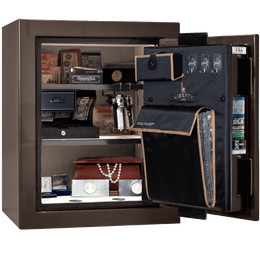
- Reach-In Closet Solutions: For standard reach-in closets, placement is just as important. A thoughtfully chosen closet safe can be installed at one end, allowing you to use the remaining space for storage. Bolting the safe to both the floor and the wall studs provides exceptional stability and prevents any attempt to tip or move it.
- Structural Considerations: Always assess the flooring. For second-story installations, ensure the floor joists can support the weight of the safe and its contents. If necessary, you can add bracing from below for added support. Proper anchoring is non-negotiable for security.
Garage Installations: The Hub of Utility and Security
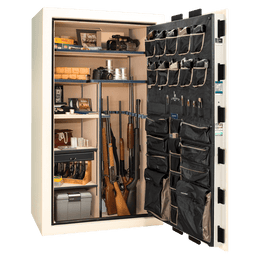
The garage offers ample space and a solid concrete foundation, making it an ideal location for larger, heavier safes. While garages are highly utilitarian, a few considerations will ensure your valuables are protected from both intruders and the elements.
- Optimal Placement: Position your safe against a wall, preferably in a corner, to make it harder for thieves to pry or access the sides. Avoid placing it in direct view of open garage doors. Building a workbench or storage cabinet around the safe can provide excellent camouflage.
- Anchoring to Concrete: One of the garage's biggest advantages is the concrete slab floor. Use heavy-duty concrete anchor bolts to secure your safe. A properly anchored safe is extremely difficult for burglars to remove from the premises, which is their most common tactic.
- Environmental Control: Garages can experience temperature swings and humidity. Protect sensitive items like documents and firearms from rust and mildew by installing a dehumidifier inside your safe. Regularly check its function to ensure a controlled environment.
Closet vs. Garage Installation: Key Considerations
| Factor | Closet Installation | Garage Installation |
|---|---|---|
| Discretion | High (hidden from view, low traffic) | Moderate (can be concealed, but higher traffic) |
| Accessibility | Convenient daily access from within the home | Excellent for loading bulky items (ammo, gear) |
| Environmental Control | Stable (climate-controlled with the home) | Requires management (dehumidifier needed) |
| Installation Surface | Wood subfloor (may need reinforcement) | Concrete slab (ideal for anchoring) |
Planning Your Installation: A Step-by-Step Approach
A smooth installation process begins with careful planning. Before the delivery truck arrives, thinking through the logistics is essential. For a detailed overview, learn more about getting your new safe into your home.
1. Measure Twice, Install Once
Measure the dimensions of the safe, the installation area, and the entire path from the delivery point to the final spot. This includes doorways, hallways, and corners. Ensure you have enough clearance to maneuver.
2. Prepare the Surface
Clear the installation area completely. For concrete, ensure it is clean and free of debris. For wood floors, locate the joists to ensure you are anchoring into the most stable part of the structure.
3. Always Anchor Your Safe
A safe that isn't bolted down can be tipped over to apply leverage or, if small enough, carried away entirely. Anchoring is the single most important step after placement. Review the gun safe use and care guide for best practices on securing your investment.
4. Enhance with Accessories
Make your safe even more functional with thoughtful additions. A quality gun safe LED light kit makes it easy to see your contents, and interior organizers help maximize your storage capacity.
Have Questions About Your Installation?
Our team of experts is here to help you plan the perfect placement for your Liberty Safe. From choosing the right model to finding a professional installer, we provide the support you need.
Contact Us TodayFrequently Asked Questions
Can I install a safe on an upper floor of my home?
Yes, but it requires careful planning. You must confirm that the floor structure can handle the weight. It's often recommended to place the safe near a load-bearing wall and ensure the weight is distributed over multiple joists. Consulting with a structural engineer or a professional safe mover is highly advised for heavy safes.
Why is bolting down my safe so important?
Bolting your safe to the floor prevents it from being tipped over, which gives thieves leverage to pry the door open. It also stops them from removing the entire safe to be opened elsewhere. Most burglary attempts involve attacking the safe in this manner, making proper anchoring a critical security measure.
How do I control humidity inside a safe located in a garage?
The most effective method is to use an electric safe dehumidifier or a renewable desiccant dehumidifier. These devices work continuously to absorb moisture from the air inside the safe, protecting firearms, documents, and other valuables from rust, corrosion, and mildew.
Is a safe in a closet less secure than one in the open?
Not at all. In fact, a closet can enhance security through concealment. Since most burglars want to be in and out quickly, a hidden safe is one they might not find. As long as the safe is properly bolted to the floor and/or wall studs, its structural security remains just as formidable as a safe placed in the open.