


Essential Setup Tips for Responsible Firearm Ownership
Congratulations on taking a crucial step in responsible firearm ownership. A high-quality safe is more than just a purchase; it's an investment in security, safety, and peace of mind. Proper setup is key to maximizing its effectiveness. This guide will walk you through the essential steps to correctly install and organize your new safe, ensuring your valuables and firearms are protected from day one.
Step 1: Choosing the Optimal Location
The placement of your safe is the first major decision you'll make, and it significantly impacts both security and convenience. An ideal location is one that is discreet, structurally sound, and environmentally stable.
Key Factors to Consider:
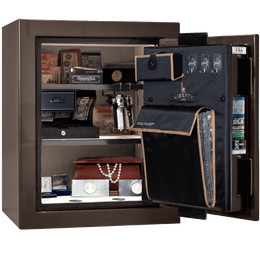
- Discretion: Position your safe away from windows or high-traffic areas where it might be easily seen by visitors or from outside. A dedicated room, walk-in closet, or finished basement are excellent choices. Many find that a well-designed closet safe offers the perfect blend of accessibility and concealment.
- Floor Support: Safes are heavy. Ensure the floor can handle the weight, especially on upper levels. Placing a safe against a load-bearing wall or in a corner can provide additional support. For ground-level installations on a concrete slab, this is less of a concern.
- Environmental Conditions: Avoid areas with high humidity, like a damp basement or non-climate-controlled garage, as moisture can damage your firearms and valuables over time. If such a location is unavoidable, using a quality dehumidifier inside the safe is essential.
- Accessibility: Consider how easily you need to access the contents. While a hidden spot is secure, it shouldn't be so inconvenient that it discourages you from using the safe consistently.
Step 2: The Critical Importance of Anchoring
A common misconception is that a safe's weight alone is enough to deter theft. While heavy, a determined thief with the right equipment can potentially move an unanchored safe to a location where they have unlimited time to work on it. Anchoring your safe to the floor is the single most effective step you can take to prevent this.
All Liberty Safes come with pre-drilled holes in the floor for easy anchoring. Bolting your safe securely into concrete or wood floor joists transforms it from a heavy box into a permanent fixture of your home. This process drastically increases its security and is often a requirement for warranty coverage against break-ins. For detailed guidance, always refer to your owner's manual and consider professional installation for complete peace of mind.
Did You Know?
- Most attempted safe thefts fail because the safe is properly anchored, preventing thieves from gaining the leverage needed to pry the door or move the unit.
- Maintaining a relative humidity level of 30-50% inside your safe is the recommended range to prevent rust on firearms and degradation of important documents.
- A safe placed in a basement or on a concrete slab is generally better protected during a house fire, as this is the coolest part of the home.
Step 3: Organizing Your Safe's Interior
A well-organized safe not only allows you to store more but also protects your firearms from scratches and damage. Thoughtful organization ensures you can access what you need quickly and safely.
Maximizing Your Space:
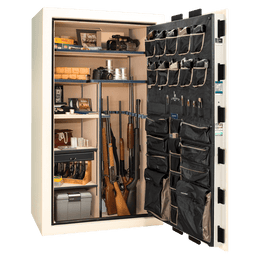
Start by configuring the adjustable shelving to fit your specific collection. Use vertical space effectively. Consider accessories that are designed to optimize every square inch:
- Lighting: A dark safe interior can be frustrating. Installing a gun safe LED light kit makes it easy to see and retrieve items without damaging others. Motion-activated lights are especially convenient.
- Storage Solutions: Make use of the door with a door panel organizer. Specialized holders, like an AR-15 magazine holder, keep accessories tidy and accessible.
- Ammunition Storage: For safety and organization, ammunition should be stored securely. A dedicated ammo cabinet or sealed ammo canisters are excellent solutions to keep ammunition organized and protected from moisture.
Understanding Fire Protection
Your safe’s fire rating indicates the amount of time the interior will stay below a certain temperature (typically 350°F, the point at which paper chars) during a fire. However, where you place your safe can enhance this protection.
Placing the safe on a main floor may expose it to the most intense heat, while a basement location is often cooler during a fire. Bolting the safe down also prevents it from falling through a compromised floor to a hotter area below. To learn more about how our safes are tested to endure extreme conditions, explore our commitment to fire protection you can trust.
Proudly Made in the USA
When you invest in a Liberty Safe, you're investing in American craftsmanship. Our commitment to quality means building safes right here in the United States, using superior materials and manufacturing standards. This dedication ensures every safe, like those in our rugged American Series, delivers the reliability and security you expect. Proper setup is the final step in activating that promise of protection for your family and valuables.
Have Questions About Your Safe?
Our team of experts is here to help you get the most out of your investment. Whether you need advice on installation, organization, or choosing the right accessories, we're ready to assist.
Contact an ExpertFrequently Asked Questions
Q: How often should I change the battery in my electronic lock?
A: We recommend changing the battery in your electronic lock once a year as preventative maintenance. Use a high-quality, brand-name 9-volt alkaline battery for best performance. Most locks will provide a low-battery warning, but proactive replacement prevents any access issues.
Q: Where is the best place in my house to install a gun safe?
A: The best location is a balance of security, structural support, and environmental control. A closet on the ground floor, a dry basement corner, or a purpose-built room are all excellent choices. The key is to keep it out of plain sight and away from extreme temperature swings or humidity.
Q: Is it really necessary to bolt down my safe?
A: Absolutely. Anchoring your safe to the floor is the most crucial step in preventing theft. It stops thieves from moving the safe or using leverage to pry it open. Most Liberty Safe warranties require the safe to be properly anchored to be valid for replacement after an attempted burglary.
Q: What should I do if I forget or lose my safe combination?
A: If you have registered your safe with us, we may be able to help. To ensure the security of your safe, we have a strict verification process. You can begin the process by completing our combination and key request form online.